
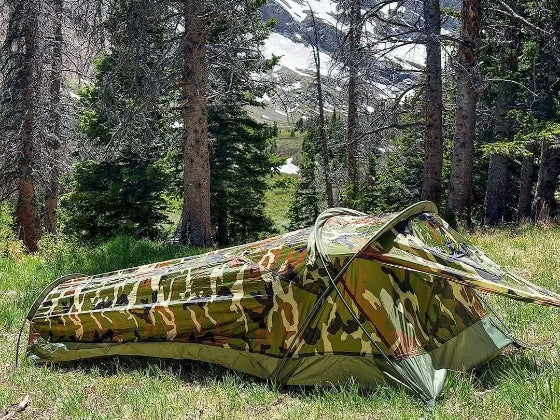

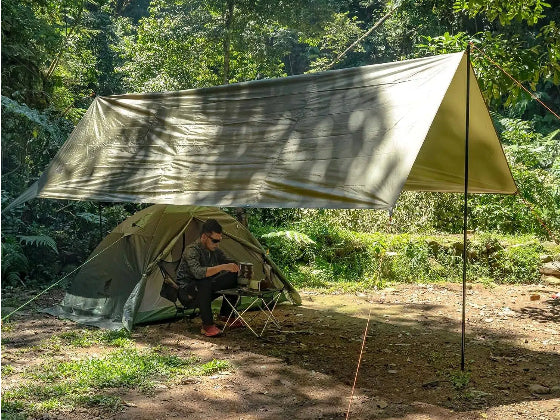
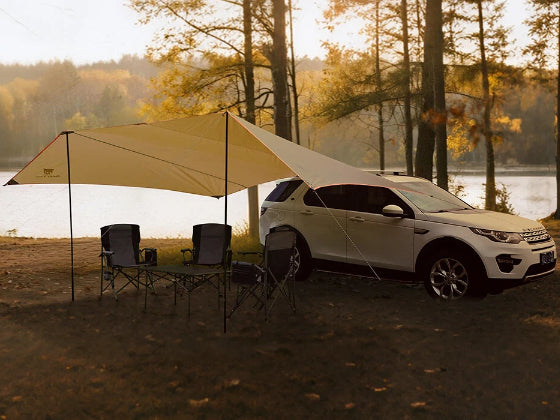
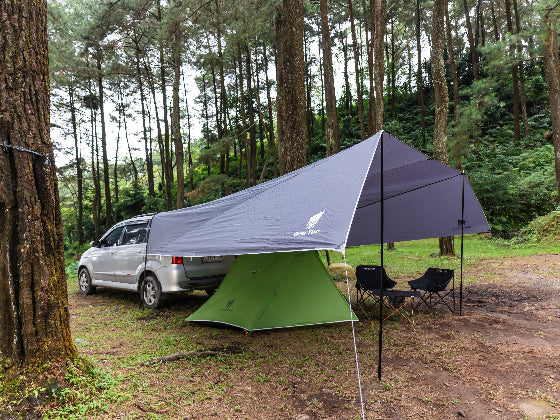



The Setup Debate That Actually Matters
Picture this: you've just driven four hours, it's raining sideways, and the sun is sinking behind the treeline. Which tent do you want in the back of your car?
Here's the core data. Inflatable tents set up in 1 to 5 minutes. Pole tents take 15 to 30 minutes. That's up to 6x faster, and on a miserable evening, those extra 25 minutes feel like a lifetime.
"Arrival friction" is a real quality-of-life issue. Fumbling with poles in fading light, in the rain, after a long drive, can turn the best trip sour before it starts. And this technology is no longer niche: the global inflatable tent market hit roughly $1.25 billion in 2025 and continues to grow fast.
So which system actually wins? The honest answer depends on how you camp. We break it down by use case, not hype.
How Each Tent System Actually Works
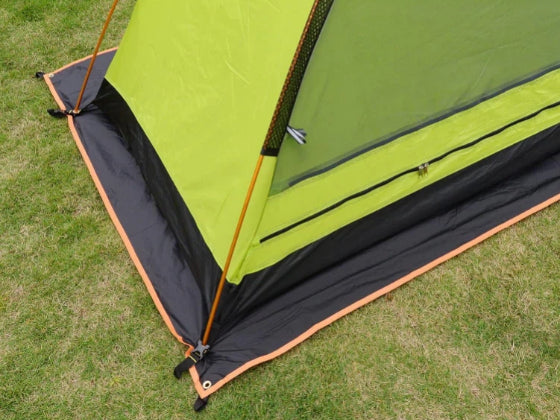
A pole tent uses rigid poles, typically fiberglass or aluminum, that you thread through fabric sleeves or clip to the fly. You assemble the frame piece by piece, tension the fabric, stake it out, and attach the rainfly. It's a hands-on process that rewards experience.
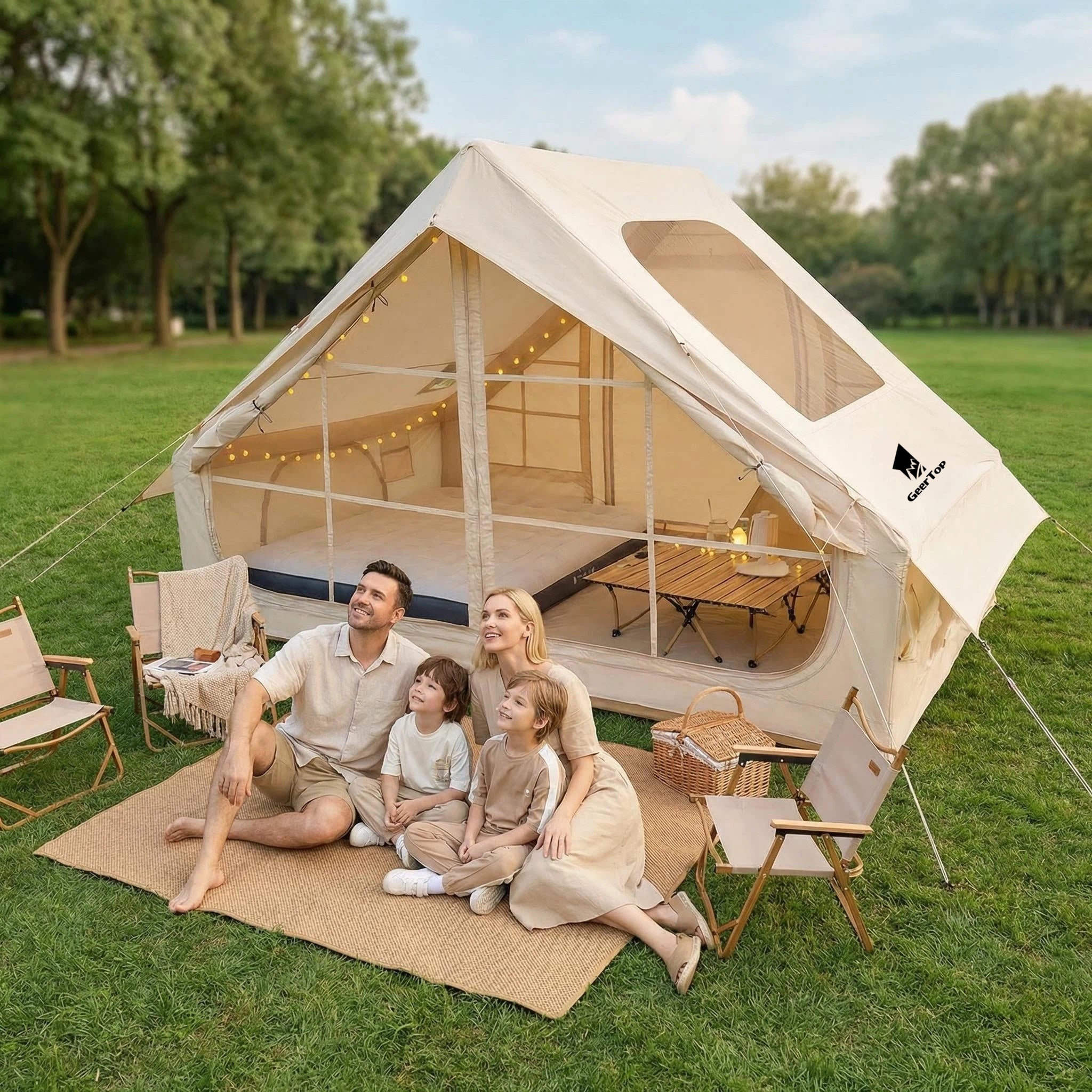
An inflatable tent replaces those rigid poles entirely with pressurized air beams. These beams, made from TPU or PVC, are permanently integrated into the tent fabric. You connect a pump to a single valve, inflate, and the structure rises on its own. No pole sorting, no threading, no bending aluminum into shape.
Air beams aren't supplementary. They are the structure. Modern designs feature multiple independent air chambers, so if one loses pressure, the tent stays upright while you patch it. As of 2025, air beam designs account for 61.2% of the inflatable tent market, making them the dominant architecture in this category.
Setup Speed: The Real-World Numbers
Inflatable tents go from bag to standing shelter in 1 to 5 minutes with a pump (electric, battery-powered, or manual). Pole tents, depending on size and your familiarity with the design, take 15 to 30 minutes. On a multi-night trip with three camp moves, that time savings compounds to over an hour of your life back.
This matters to a lot of people. About 58% of recreational campers now prefer quick-install shelters over traditional designs, and 46% of first-time buyers cite ease of assembly as a primary purchasing factor.
The weak spot worth naming: pump dependency. If your electric pump dies and you don't have a backup, you're stuck. The fix is straightforward but requires planning. Always carry a manual pump as a secondary option. Bring a spare battery pack if you're using a rechargeable pump. Check your valve integrity before you leave home, not at the campsite.
Improved valve systems are one of the three key air beam technology trends in 2026, so this pain point is getting smaller every year. But it hasn't disappeared yet.
Weight, Packability, and the Solo vs. Group Divide
This is where pole tents fight back hard. A backpacking pole tent weighs 2 to 6 lbs (1 to 3 kg). For hike-in camping, that's a decisive advantage.
A two-person inflatable tent plus pump runs 6 to 10 lbs, which is comparable to a lightweight pole tent on paper. The catch: you can't split the weight. Pole tent components (fly, body, poles, stakes) distribute across a group's packs. An inflatable tent ships as one heavy bag.
Large inflatable family tents push 33 to 66 lbs. These are strictly car-camping or vehicle-supported gear. No one is carrying that on their back up a trail.
On the flip side, inflatable tent floor space in 2026 spans 54 to 185 square feet. The size options have expanded dramatically, giving families and groups real room to spread out.
For solo backpackers and mountaineers, pole tents remain the practical choice on weight alone. That's not a knock on inflatables; it's just physics.
Wind, Weather, and Structural Performance
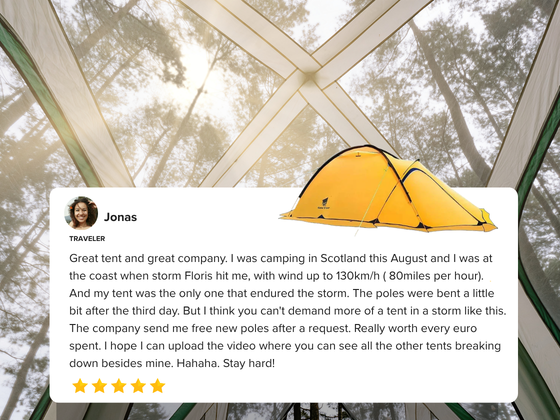
Here's where inflatable tents surprise people. The physics are counterintuitive but sound: air beams flex and redistribute pressure under wind load rather than resisting force rigidly. There's no brittle breaking point.
At 40 mph gusts, an air beam flattens and then springs back upright once the gust passes. A fiberglass pole, by contrast, has a breaking threshold. When it shatters, it sends sharp edges through the flysheet, potentially destroying the tent entirely.
TPU vs. PVC: The Real 2026 Differentiator
Not all air beams are created equal. TPU beams are the premium choice for all-season use. They stay flexible in freezing temperatures and hold up across a wide thermal range. PVC beams cost less but become brittle in cold weather and soft in heat, making them unreliable for year-round camping.
The Heimplanet Cave XL's geodesic inflatable diamond grid is a good example of where this technology is heading: extreme-condition engineering built around air, not metal.
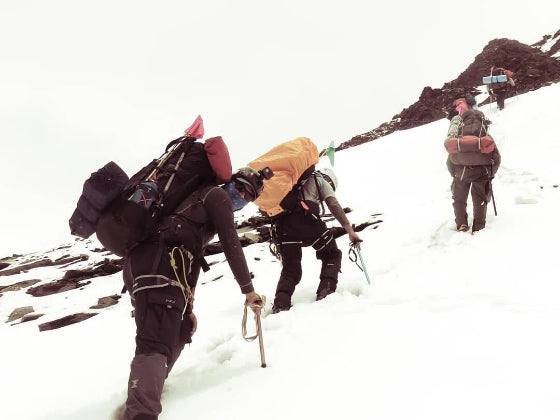
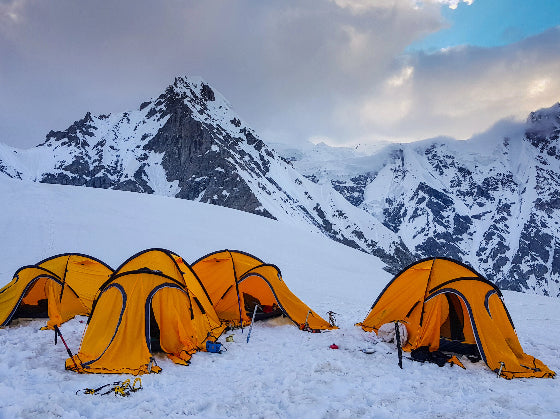
At GeerTop, we've tested our own gear at 6,840m on Chongra Peak in the Himalayas. We know firsthand that structural performance in harsh conditions isn't optional; it's everything.
Repairability: An Honest Comparison
Patching a pinhole in an air beam with a standard patch kit is faster than trying to splint a snapped aluminum pole in the field. But a major air tube tear may require full tube replacement, which isn't a trailside fix. Multiple independent air chambers buy you time: the tent stays standing even if one chamber fails, giving you a window to repair or pack up safely.
Price, Value, and What You Get in 2026
Entry-level pole tents run $100 to $150. Mid-range quality sits at $300 to $800. Inflatable tents in 2026 range from $700 to $6,800 for premium models, roughly 20% more expensive than equivalent pole versions.
That premium buys you faster setup, better wind flex, and increasingly sophisticated features. About 49% of premium inflatable models now include integrated blackout bedrooms, and 54% offer multi-room configurations designed for families and expedition teams.
If you're exploring inflatables for the first time, the GeerTop inflatable tent collection offers a factory-direct option with models ranging from 3 to 4 person ridge tents to the Galaxy Max 8 to 12 person plus-size tent. Every tent is manufactured in GeerTop's own facility and passes 60+ quality assessments before shipping, and a 15% first-order discount makes the entry point more accessible.
One emerging factor worth watching: sustainability. Select brands are now building inflatable tents from recycled materials, including recycled plastic bottles. For eco-conscious campers, this is becoming a real consideration alongside price and performance.
Which Tent Wins for Your Camping Style?
There's no single winner. Here's how it breaks down by use case:
- Solo backpacking / mountaineering: Pole tent wins. Weight and packability are non-negotiable when every ounce counts.
- Family car camping: Inflatable tent wins. Speed, space, and comfort outweigh the weight penalty when your car carries the load.
- Festival camping: Inflatable tent wins. Fast setup, weather resilience, and blackout features make a real difference in crowded, unpredictable conditions.
- Overlanding and glamping base camp: Inflatable tent wins. Vehicle-supported weight, modular accessories, and premium features suit the use case perfectly.
- Budget-first camping: Pole tent wins. A $100 to $300 entry point is hard to beat when you're getting started.
The numbers back this up. About 45% of the inflatable tent market is held by the family camping segment. And with 46% of first-time buyers citing ease of assembly as a primary factor, inflatables directly address the biggest barrier to getting outside.
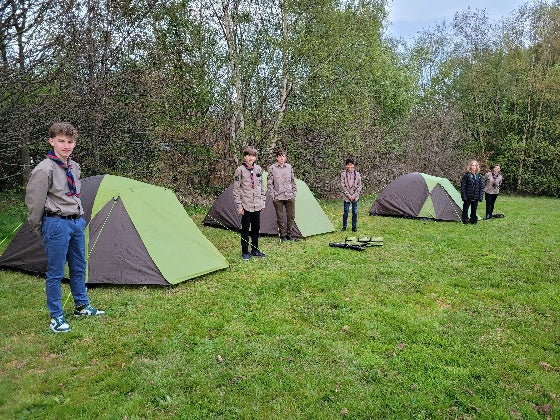
GeerTop's partnership with The Duke of Edinburgh's Award, providing tents for youth explorers across the globe, reinforces something we believe deeply: the right gear removes barriers. It gets people outdoors who might otherwise stay home.
The Verdict: Fast, Smart, and Built for How You Actually Camp
Inflatable tents win on speed, wind resilience, and family-scale comfort. Pole tents win on weight, price, and solo adventure portability. Neither is universally better.
The best tent is the one that matches your actual camping habits, not the one with the most impressive spec sheet. If it gets you outside faster and keeps you there longer, it's doing its job.
Stay Wild. Have Fun. Pick the shelter that makes that possible for your kind of adventure.
One thing is clear: inflatable tent technology is advancing rapidly. Solar-ready designs, modular ecosystems, and smarter valve systems are turning inflatables into the platform for the future of camping. If you haven't looked at them since 2022, it's a different world now.