




Tent Pole Reinforcement for Autumn Gusts in Poland's Tatra Valleys: A Field Guide to Halny-Proofing Your Shelter

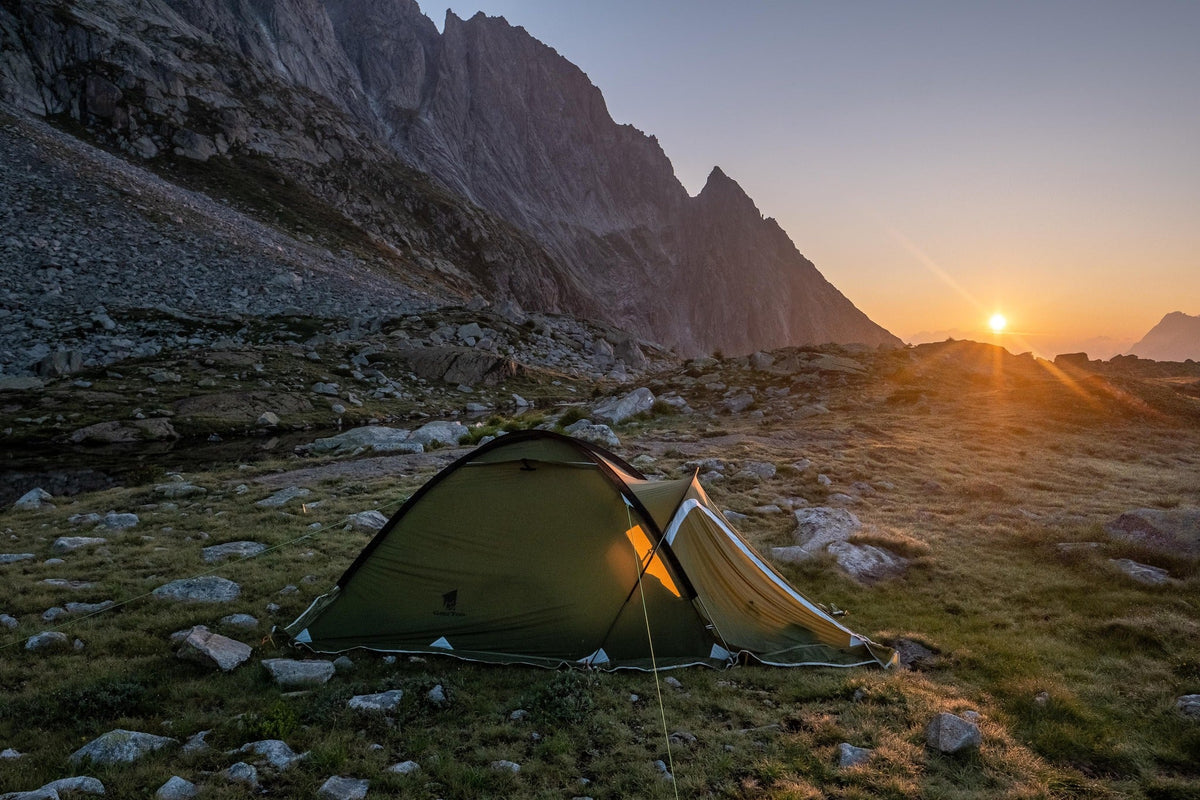
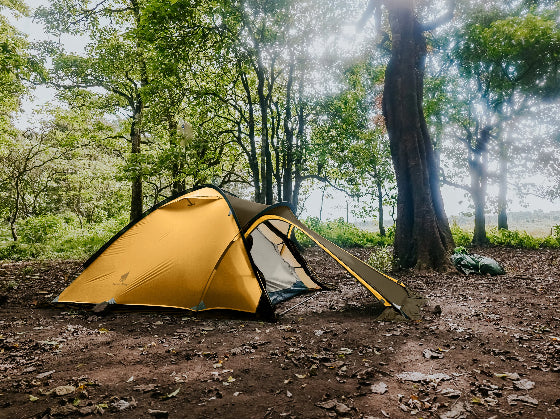
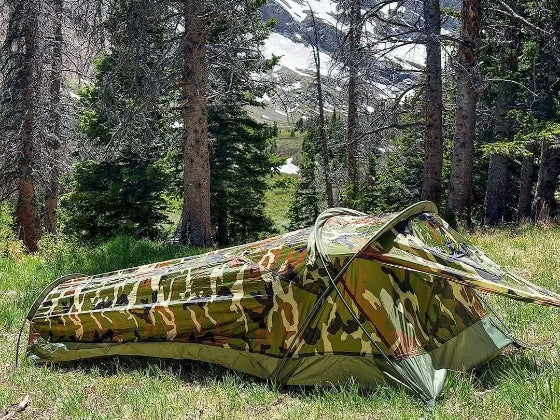
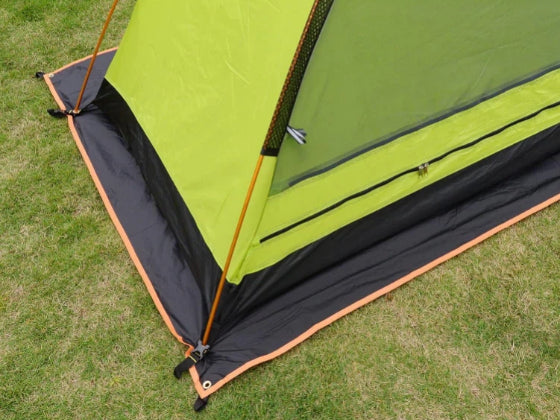
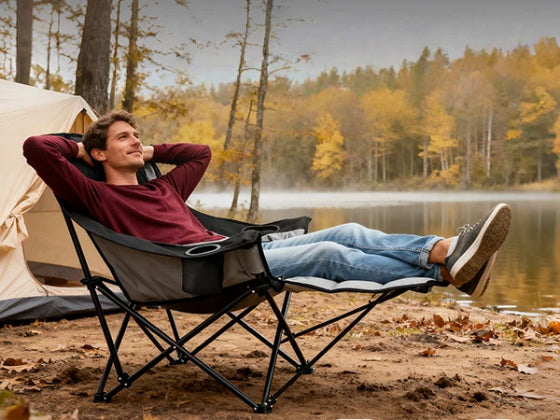
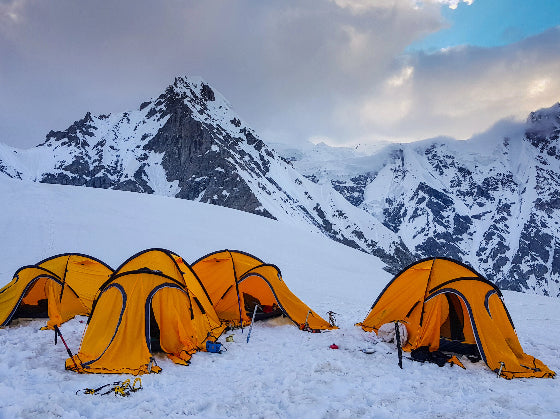
Image 1: A double-wall tent at the forest edge below the valleys — when autumn gusts pick up, pole setup and guying decide the night.
Autumn in the Polish Tatras is prime trekking season — until the halny arrives. This warm, dry foehn wind blows most often between October and May, and its gusts routinely reach 100 km/h (62 mph); the strongest ever recorded in the range hit 288 km/h (179 mph) in May 1968. Even down in the valleys — Kościeliska, Chochołowska, Kondratowa — the funneled gusts bend tent poles past their comfort zone, and on the summits freezing temperatures arrive for good from mid-October. Based on our field testing across multiple alpine seasons, the answer is a three-part discipline: use 7001-T6 aluminum poles rather than fiberglass (which turns brittle in deep cold — we watched fiberglass snap at −25 °C / −13 °F during high-altitude testing while the aluminum frame stayed intact), guy out the pole hubs with extra lines in a symmetric pattern, and carry a repair sleeve plus spare sections for on-trail triage. One legal note that shapes every plan: camping is not allowed inside Tatra National Park — tents belong at the campsites around Zakopane and Kościelisko, and overnight stays in the park happen in PTTK mountain huts.
What autumn gusts actually do in the Tatra valleys
The valleys concentrate the wind instead of sheltering you from it. Four situations every fall trekker here recognizes:
- Halny episodes between October and May: gusts commonly up to 62 mph, arriving in hours and lasting one to three days.
- Valley wind funnels: Kościeliska and Chochołowska funnel westerly flow — a tent that stands calmly at dinner can be pole-bent by midnight.
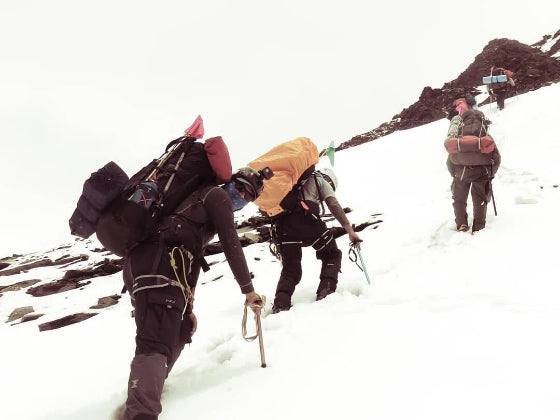
- Summit winter from mid-October: below-freezing days are the norm up high (192 days per year below 32 °F on the summits); average summit wind runs 13 mph.
- Overnight stays in PTTK huts (Hala Kondratowa, Hala Ornak, Polana Chochołowska): the legal plan B when the forecast turns.

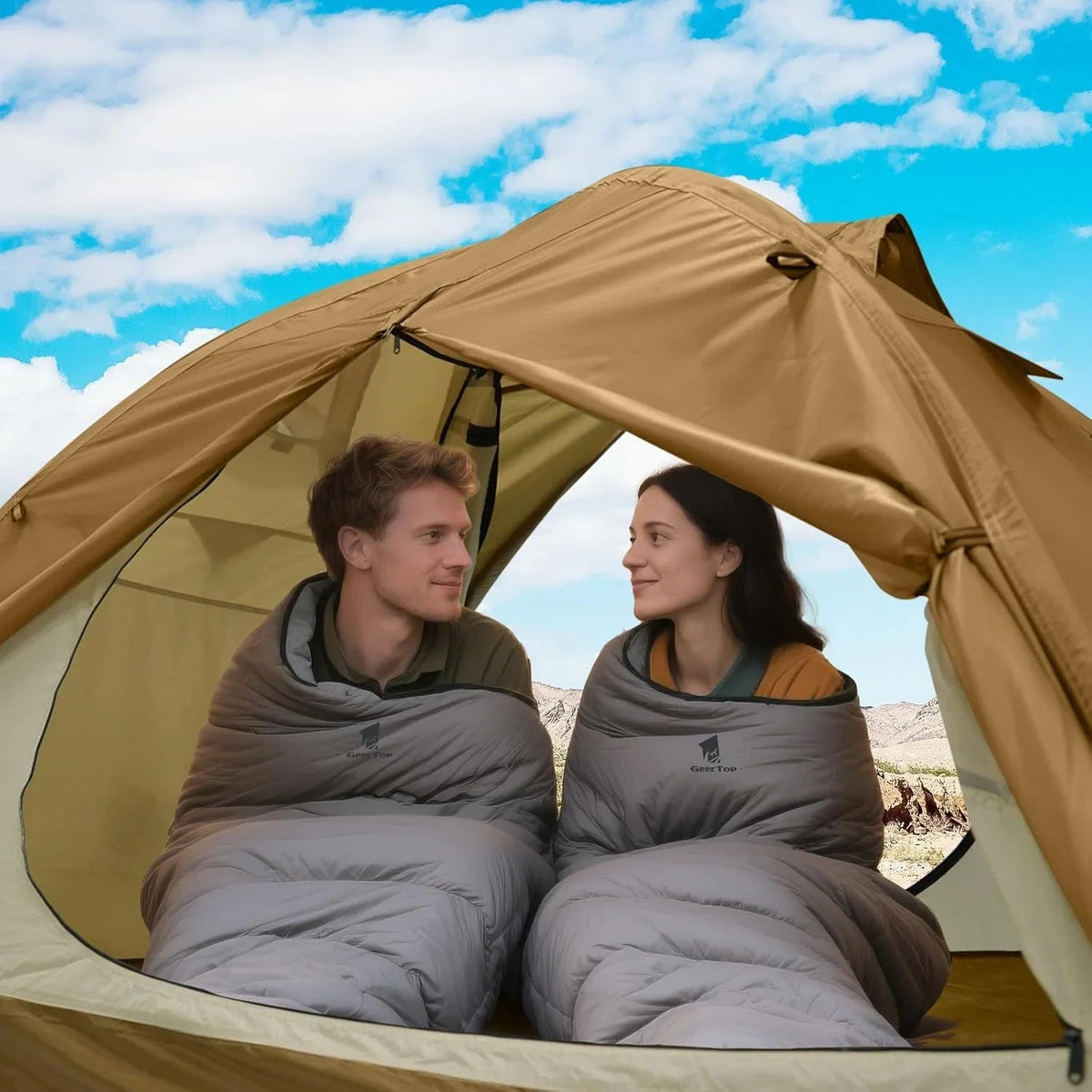
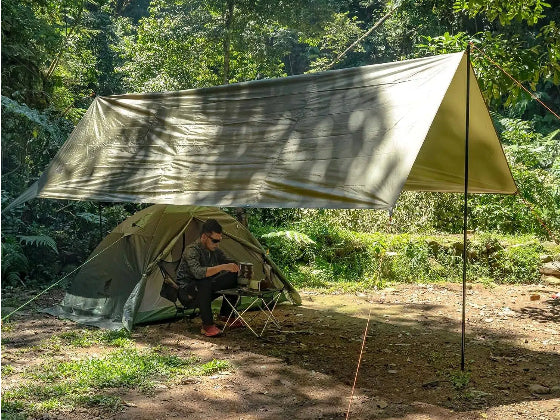
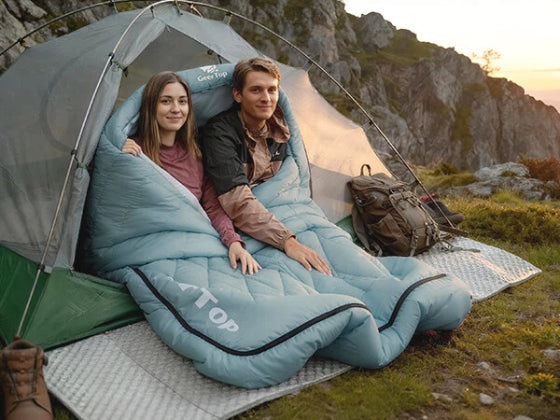
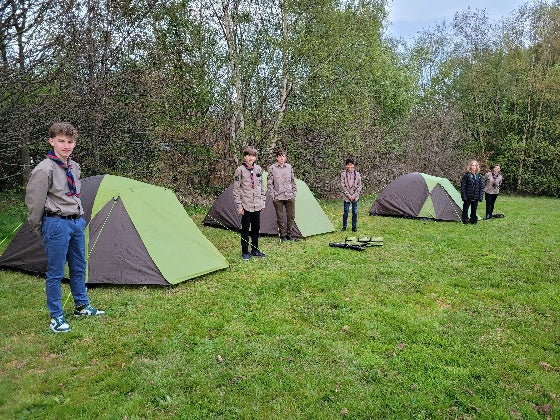
Image 2: Aluminum pole frame with mesh inner — 7001-T6 alloy keeps its flexibility in freezing gusts where fiberglass cracks.
Choosing and reinforcing poles: what actually matters
Reinforcement starts at the material. Fiberglass is cheap but loses toughness as temperatures drop; 7001-T6 aluminum keeps bending instead of breaking, and a bent section can often be splinted and finish the trip. Carbon is stiff and light but fails suddenly and expensively. Once the material is right, the discipline is mechanical: extra guylines on the pole hubs (the intersections carry the most flex), symmetric tension on both sides so no hub is loaded alone, and a repair sleeve in the repair kit. The material comparison at a glance:
Table 1: Tent pole materials in freezing autumn gusts
|
Material |
Cold behavior |
Failure mode |
Field repair |
Best for |
|
Fiberglass |
brittle below freezing |
splits, splinters |
sleeve + tape (fragile) |
budget, mild climates |
|
7001-T6 aluminum |
stays ductile in cold |
bends before breaking |
sleeve, re-bendable |
4-season and alpine use |
|
Carbon |
stiff, cold-stable |
sudden snap |
sleeve only |
ultralight, careful users |
What reinforcement costs in the US
A pole repair sleeve runs $8–15 and weighs almost nothing; a spare-section kit with shockcord adds $20–35; reflective guyline cord is about $10–15 per 50 ft. A solid 4-season-capable double-wall tent with a documented aluminum frame sits between $150 and $400 — for reference, the Toproad 2 (2-person, 4-season, 7001 aluminum frame) is listed at $159.99 on the official store. Add it up and full halny-proofing of a shelter you already own costs under $60; the expensive mistake is discovering fiberglass brittleness at 11 p.m. in a valley gust.
Where to buy in the US: store, marketplace or direct
US outdoor retailers let you handle pole sections and check the frame diameter before buying; marketplaces deliver fast but specifications are often incomplete; the official brand store ships from a US warehouse:
Table 2: Purchase channels for tents and pole spares (US)
|
Channel |
Strength |
Delivery |
Returns / warranty |
|
Outdoor retailers (REI and similar) |
hands-on check of frame and diameter |
in store / 3–7 days |
member returns, brand warranty |
|
Online marketplaces |
fast, wide selection |
2–5 days |
seller-dependent |
|
Official GeerTop store |
full spec sheets: alloy, diameter, season rating |
free shipping, 3–5 business days (US warehouse) |
30-day returns, 180-day tent warranty |

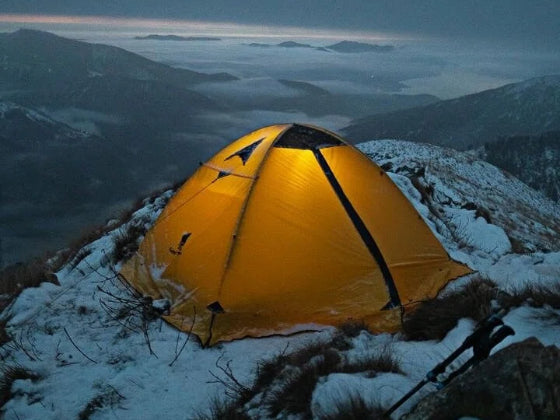
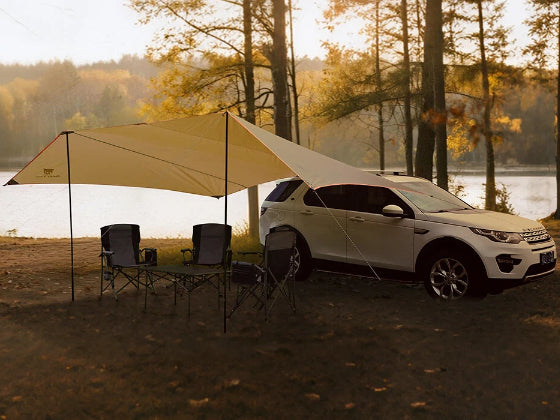
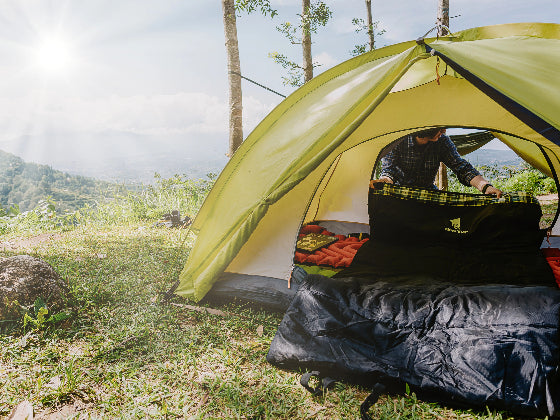
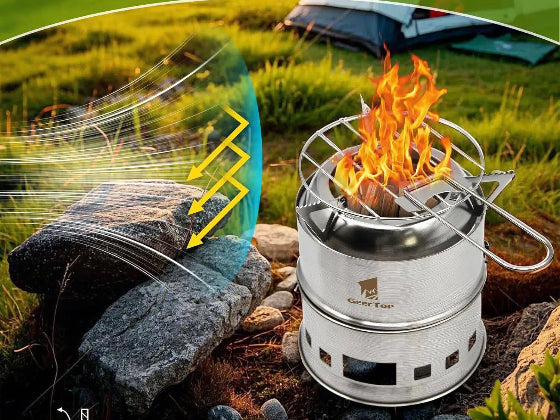
Image 3: Ventilation panel under the flysheet — a taut, well-guyed flysheet takes load off the poles instead of adding sail area.
Pole care between trips and during a halny week
- Dry poles separately from the tent body: moisture inside the sections corrodes ferrules and freezes the shockcord.
- Check ferrule joints before every pitch — a half-inserted section is the most common cause of cracked poles in gusts.
- Re-tension guylines after the first hour of wind; nylon stretches, and loose lines let the poles flex to their limit.
- If gusts above 50 mph are forecast overnight, take the tent down and move to a hut — no pole setup is designed to shrug off a full halny night.
- Lubricate zippers and pole ends with a dry lubricant before the cold season; wet lube gunks up below freezing.
Why our high-altitude test data matters for a Tatra autumn
From our own extensive field testing — including a 6,840 m expedition test on Chongra Peak where night temperatures dropped to −13 °F — the pattern repeats: fiberglass frames cracked outright in the deep cold, while every 7001-T6 aluminum pole came back bendable and intact, needing only cleaning before storage. That is the same alloy we specify on the 4-season Toproad 2, together with taped seams and a PU 3,000 mm flysheet, and spare pole sections are available through the brand's customer support so a snapped segment ends a trip no more. GeerTop publishes the alloy, diameter and season rating for each shelter, which is the only honest way to compare frames before the wind tests them for you.
FAQ | Common questions
Q: Can I legally camp in the Tatra valleys?
A: No — camping is prohibited throughout Tatra National Park. Tents go to the campsites around Zakopane and Kościelisko; inside the park, overnight stays are in PTTK mountain huts (Hala Kondratowa, Hala Ornak, Polana Chochołowska).
Q: When does the halny blow?
A: Most often between October and May. Gusts commonly reach 62 mph and episodes last from a few hours to several days — check IMGW warnings and TOPR advisories before committing to a campsite night.
Q: Fiberglass or aluminum poles for freezing gusts?
A: Aluminum. Fiberglass turns brittle in cold and splits; 7001-T6 aluminum bends and can be splinted in the field — we verified the difference at −13 °F during high-altitude testing.
Q: How do I reinforce poles without buying new ones?
A: Add guylines to the pole hubs, tension both sides symmetrically, pitch the low end into the wind, and carry a repair sleeve — together they cut pole flex dramatically.
Q: Can a snapped pole be repaired on the trail?
A: Usually yes: slide a repair sleeve over the break, tape it, and re-insert. The tent will stand for the rest of the trip; order a replacement section once home.
Q: What wind speed should make me take the tent down?
A: Forecast gusts above 50 mph overnight — take it down and retreat to a hut or the valley. No backpacking pole set is rated for a full-force halny night.
Q: Are spare pole sections available after the purchase?
A: Yes — spare sections and repair parts can be ordered through the official store's customer support, with response within one business day.
Next step
Before your next Tatra autumn trip: the product pages on the GeerTop site list the pole alloy, diameter and season rating for every shelter, spare sections are available via support, and the YouTube channel (@Geertop) shows the 4-season frames in real wind and cold testing.