


Introduction
If you have ever planned high‑altitude mountaineering, winter alpine camping or snow‑bound backcountry trips, you have probably come across the term “4‑season tent”. But not all so‑called four‑season tents are built for real mountain extremes. Many consumer‑grade “4‑season” models sold on the market are only slightly reinforced 3‑season tents. They can handle light snow and cool autumn nights, yet they collapse, leak or get overwhelmed when real mountain blizzards strike.
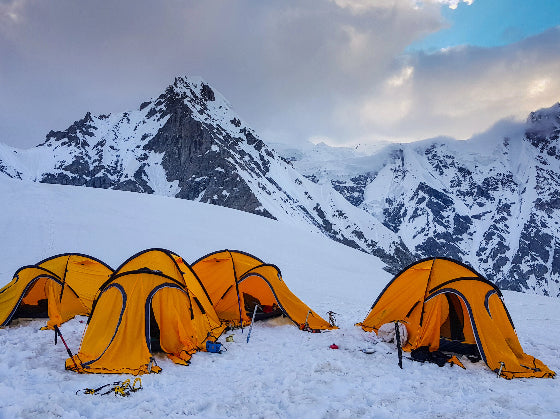
What separates a casual cold‑weather tent from a true 4‑season mountaineering tent? Real‑world extreme‑environment testing is non‑negotiable. The GeerTop Navigator 2‑Person 4‑Season Mountaineering Tent has gone through genuine high‑altitude validation: it was field‑tested by a professional mountaineering team during their Himalayan summit expedition. This tent endured heavy snow loading, fierce gusts and full‑on blizzard conditions at high elevations, proving its capability where ordinary tents simply cannot survive.
In this article, we break down the core features that define a genuine alpine 4‑season tent, explain why regular backpacking tents fail in snow mountains, and walk through how the GeerTop Navigator performs under life‑threatening mountain weather.

What Is a Real 4‑Season Mountaineering Tent — Not Just Marketing Hype
Lots of outdoor brands label their tents “4‑season” for marketing purposes. That label does not automatically mean it can survive mountain blizzards. A true mountaineering‑grade four‑season tent is engineered for high‑altitude snow, heavy wind load, snow accumulation, freezing temperatures and sudden violent storms. It is built for expeditions, not just car‑camping on mild winter weekends.
Three key criteria separate real alpine tents from pretenders:
-
Structural strength to hold heavy snow and high‑velocity windsStrong, thick aluminum poles, reinforced corner stress points and geodesic dome geometry are mandatory. When snow piles up several inches overnight, weak pole systems will bend or snap. Cheap tents use thin alloy or fiberglass poles that cannot handle snow load.
-
Full‑coverage snow skirt for blizzard‑grade snow blockingA dedicated snow skirt seals the gap between tent floor and outer fly. During blizzards, blowing snow drifts creep underneath the tent. Without a snow skirt, fine snow particles drift inside your sleeping area, soaking gear and lowering internal temperature. Most general‑purpose camping tents skip this critical feature entirely.
-
Heavy‑duty waterproof and tear‑resistant fabric for alpine moistureMountain snow melts against tent fabric, generating constant moisture pressure. A high hydrostatic rating on both flysheet and floor keeps melt‑water and driving snow from leaking through. Thin lightweight fabrics for summer backpacking will saturate and leak under prolonged snow exposure.
A real 4‑season mountaineering tent is built to keep you safe when weather turns catastrophic. Comfort is secondary; survival comes first.
Why Ordinary 3‑Season and “Fake 4‑Season” Tents Fail in Snow Mountain Blizzards
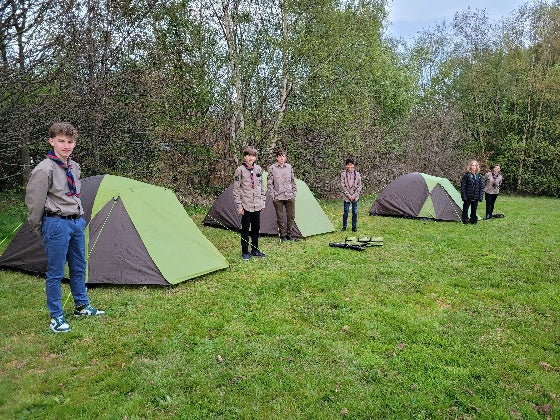
Most backpackers start with a 3‑season tent. These tents excel for spring, summer and fall hiking. They prioritize ventilation, light weight and low cost. But bring them into high‑altitude snow terrain, and weaknesses show fast once a blizzard rolls in.
- Pole failure under snow load: Fiberglass or thin aluminum poles bend when heavy snow piles on the rainfly. In a Himalayan‑style storm, snow accumulates rapidly overnight, and tent collapse becomes a real safety risk.
- Snow infiltration around the base: No snow skirt means wind‑driven snow blows underneath walls. You wake up with snow covering your sleeping bag and gear.
- Insufficient waterproof ratings: Lower‑grade fabrics cannot stand up to melting snow. Condensation plus melt‑water causes dampness inside, which is dangerous in freezing high‑altitude environments.
- Weak wind resistance: Semi‑geodesic shapes designed for gentle breezes deform under mountain gusts. Guy‑out points are few and poorly reinforced, so the tent flaps violently or tears.
Even some budget “4‑season” tents only add thicker fabric without upgrading geometry, poles or snow skirt. They look tougher on spec sheets, but they have never faced real‑world blizzard conditions at elevation. Lab numbers mean far less than expedition field testing.

GeerTop Navigator: Himalayan Blizzard Proven 2‑Person Mountaineering Tent
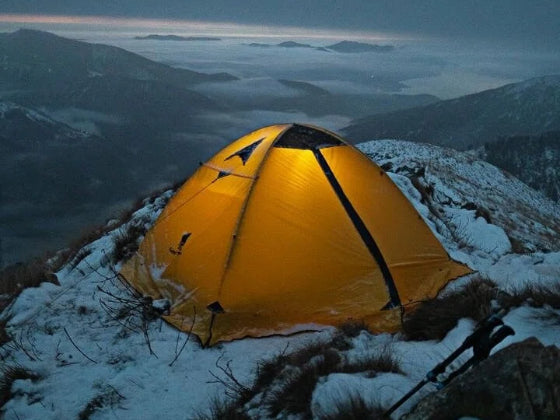
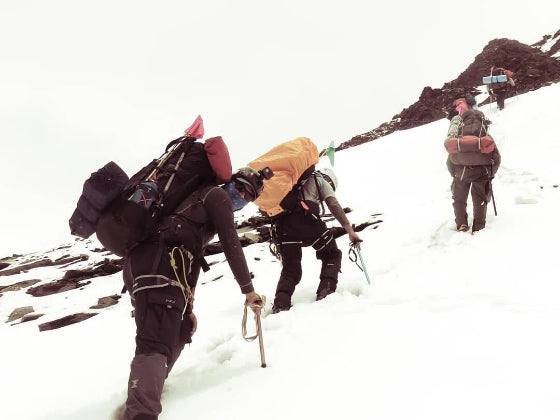
The GeerTop Navigator 2‑Person 4‑Season Mountaineering Tent is not just a lab‑spec alpine tent. It earned its credibility out on one of the harshest places on earth: the Himalayas. A professional mountaineering team deployed this tent during their summit push, where it endured full‑force blizzards, heavy snow buildup and relentless mountain winds. It held its shape, kept blowing snow outside and maintained a dry, protected interior through storm cycles that would overwhelm average camping tents.
Let’s look at how its design matches every requirement for genuine 4‑season alpine use:
Robust geodesic structure & high‑strength aluminum poles
Geodesic dome layout disperses brutal wind pressure across the whole tent frame. Heavy‑duty aerospace‑grade aluminum poles resist bending under thick snow loads. Reinforced stitching and multiple heavy‑duty guy‑out points allow secure anchoring in exposed high‑altitude campsites. When snow piles on top overnight, the frame holds firm instead of caving inward.
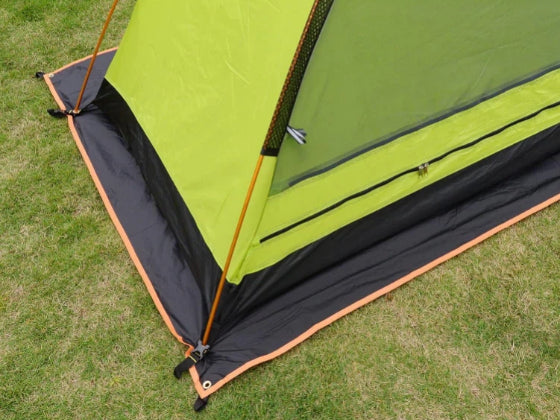
Full‑wrap snow skirt for blizzard‑level snow protection
The full perimeter snow skirt is one of the Navigator’s most critical alpine features. You pile snow over this skirt to seal every gap along the tent base. During Himalayan‑style blizzards, wind‑borne fine snow cannot drift into your living space — a feature you will desperately appreciate through long snowy nights.
High‑performance waterproof fabric for melting snow
Outer fly sheet delivers PU8000 mm waterproof rating, tent floor reaches PU5000 mm. Fully taped seams stop melt‑water and driven snow from seeping through stitching holes. This level of hydrostatic resistance handles continuous contact with melting snow, far above what typical recreational tents offer.
Practical two‑person expedition‑friendly weight
At around 3.45 kg, the Navigator balances serious storm‑surviving build with packable weight for high‑altitude trekking. It is built for two mountaineers with climbing gear inside. This is not a feather‑weight summer backpacking tent; it is expedition‑ready for alpine missions.
Important note: Even the best 4‑season mountaineering tent is a piece of safety gear. Proper site selection, correct guy‑line tension and burying the snow skirt with snow are essential steps in blizzard conditions.
Who Should Choose a True 4‑Season Mountaineering Tent Like GeerTop Navigator?
This tent is not for casual summer car camping. You will want this level of performance if you are:
✅ High‑altitude mountaineers doing spring‑to‑winter alpine expeditions
✅ Backcountry campers who encounter unexpected snowstorms at elevation
✅ Climbers heading into exposed, windy mountain camps where weather can shift instantly
✅ Trekkers who need reliable shelter against sudden blizzards and heavy snow loading
If you only camp in mild winter car‑camp spots, a lighter cold‑weather 3‑plus‑season tent may satisfy you. But for remote high‑altitude locations where rescue is far away, invest in a tent proven in real blizzard conditions like the GeerTop Navigator.
Navigator In Himalayas

Final Thoughts
Marketing labels like “4‑season” can be misleading. The real measure of an alpine tent is how it performs when things go bad. Lab‑sheet numbers do not equal mountain survival.
Ordinary recreational tents cannot stand up to Himalayan‑style blizzards, heavy snow‑loading and violent mountain gusts. The GeerTop Navigator 2‑Person 4‑Season Mountaineering Tent separates itself because it has been stress‑tested on actual high‑altitude expeditions. Its geodesic frame, full snow skirt and heavy‑duty waterproof fabrics deliver the safety margin mountaineers need when weather turns deadly.
When you are miles from help in snow‑covered mountains, your tent is your lifeline. Choose shelter built and proven for the worst the mountain can throw at you.