







Let me guess. You’re scrolling through photos of overlanders camped in the Rockies, and you’re thinking: “Is that rooftop tent actually worth the hype? Or is it just another expensive toy for guys who own 4Runners?”
I get it. I’ve been there. Three years ago, I stared at a $2,000 rooftop tent and asked myself the same questions you’re probably Googling right now:
- Are rooftop tents comfortable?
- Are rooftop tents safe?
- Are rooftop tents bad for your car?
- Are rooftop tents waterproof?
- Can I put a rooftop tent on my car? (I drive a RAV4, so I was extra paranoid about this one.)
After three years, 17 camping trips, and way too many late-night Reddit deep dives, I’m here to give you the unfiltered, no-marketing-BS breakdown of rooftop tents—from a regular 35-year-old guy who just wanted to stop sleeping on rocks.
Let’s Start With the Big One: Are Rooftop Tents Worth It?
If you’ve ever spent 45 minutes setting up a ground tent in the rain at dusk, only to realize you forgot the stakes… you already know half the answer.
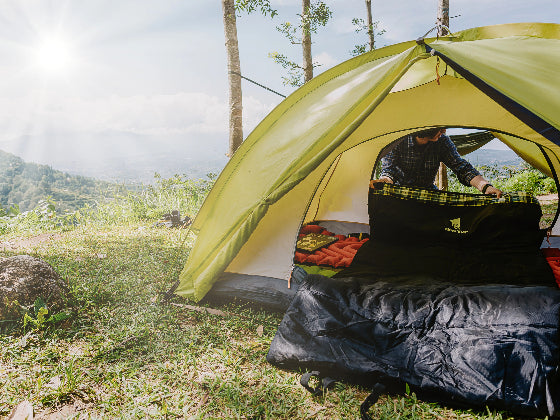
The biggest win? Setup time. With my rooftop tent, I pull into a campsite, pop the latches, toss the ladder down, and I’m ready to crash in under 5 minutes. No more clearing rocks, no more fighting with poles that never line up right, no more arguing with my wife about which way the tent door faces. It’s just… done.
And let’s talk about sleep. The built-in foam mattress means I’m not waking up with a kink in my back from a lumpy air mattress. Even on uneven ground, the tent stays level, so I don’t roll into my wife at 2 a.m. That alone was worth the investment for me.
But here’s the catch: They’re not for everyone. If you camp once a year at a developed campground with concrete pads, save your money. If you’re out every other weekend chasing sunsets or overlanding off the grid? You’ll wonder how you ever camped without one.
Are Rooftop Tents Comfortable? Spoiler: Way More Than Ground Tents
Let’s cut to the chase: Yes, rooftop tents are comfortable.
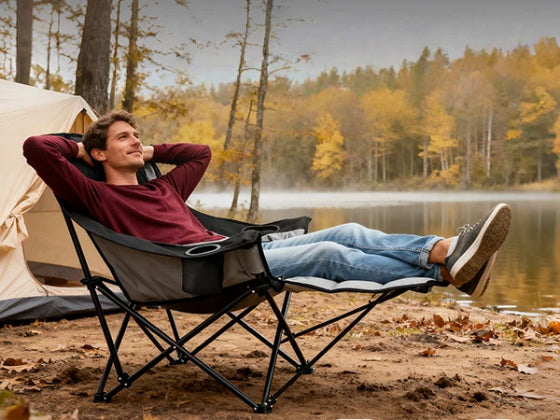
Think about it: You’re sleeping on a flat, elevated platform with a built-in mattress. No more roots poking through the tent floor, no more cold, damp ground seeping into your sleeping bag. The airflow is better too—no stuffy condensation buildup like you get in a small ground tent.
That said, comfort depends on the model. Soft-shell tents usually have more room to sit up, while hard-shell tents are cozier but faster to set up. I went with a soft-shell because I’m 6’2″ and needed the extra headroom, and I’ve slept like a baby (literally) in everything from 30-degree mountain nights to 80-degree desert heat.
The only minor gripe? Climbing the ladder at 3 a.m. when you need to pee. Pro tip: Keep a headlamp and a small bottle in the tent. Trust me.
Are Rooftop Tents Safe? Let’s Address the Elephant in the Car
Safety is the first thing most people ask about, and for good reason. Here’s what you need to know:
- Wildlife: Sleeping off the ground means no more worrying about raccoons rummaging through your tent or curious deer stepping on your setup. I once camped in an area with bear activity, and being 6 feet up felt way more secure than hunkering down on the ground.
- Stability: As long as you install the tent on a roof rack rated for the weight, it’s not going anywhere. I’ve driven 70 mph on the highway in wind and rain, and the tent stayed rock solid.
- Installation: This is the big one. Follow the manufacturer’s instructions to the letter. Double-check the bolts before every trip. A loose tent is a dangerous tent.
I’ve heard horror stories of people mounting heavy tents on factory crossbars that weren’t rated for the load. Don’t be that guy. Check your vehicle’s dynamic roof load rating (it’s in the owner’s manual) and make sure your rack and tent fall under that number.
Are Rooftop Tents Bad for Your Car?
Short answer: No, if you do it right.
Long answer: I drive a 2018 Subaru Outback, and I was terrified the tent would mess up my roof. But after checking the numbers—my car’s static roof load is 700 lbs, and my tent plus me and my wife only weighs about 300 lbs—I realized it was totally safe.
The only downsides? A slight hit to fuel efficiency (I lose about 2-3 mpg on the highway) and a little extra wind noise at high speeds. But for the convenience of being able to camp anywhere with zero setup, it’s a trade-off I’m happy to make.
Just don’t try to mount a 150-lb tent on a tiny sedan with a cheap rack. That’s when you run into problems.
Are Rooftop Tents Waterproof? Let’s Talk Rain
This one’s important because nothing kills a camping trip faster than waking up soaked.
Quality rooftop tents are built with waterproof fabrics, sealed seams, and rainflies that keep water out. I’ve camped through a 3-hour downpour in the Pacific Northwest, and not a drop got inside my tent. The key is to make sure the rainfly is properly secured and the seams are sealed (most come pre-sealed, but it doesn’t hurt to touch them up with seam sealer every year).
The only caveat? Condensation. Since the tent is elevated, the temperature difference between inside and outside can cause some moisture buildup. Most tents have mesh windows for cross-ventilation to help with this—just crack them open a little at night, even if it’s cold.
Can You Put a Rooftop Tent on Any Car?
Here’s the truth: Most cars can handle a rooftop tent, but it depends on three things:
- Roof Load Rating: Check your owner’s manual. Most SUVs and crossovers are fine, but some sedans have low dynamic load ratings. My friend has a Toyota RAV4, and he’s running a tent without issues—you just need to pick a lightweight model.
- Roof Rack: You’ll need a sturdy rack rated for the tent’s weight. Factory crossbars usually aren’t enough, so invest in a quality aftermarket rack.
- Tent Weight: Go with a lightweight tent (under 130 lbs) if you have a smaller car. Hard-shell tents are usually heavier than soft-shell ones, so keep that in mind.
I’ve seen people mount tents on everything from Subarus to pickup trucks to even a Honda Civic (though I wouldn’t recommend that last one). As long as you do your homework, you’ll be fine.
Final Verdict: Should You Buy a Rooftop Tent?
If you’re the kind of person who loves spontaneous trips, hates setting up camp, and values a good night’s sleep in the woods? Yes, a rooftop tent is worth every penny. It’s changed how I camp—now I can leave work on Friday, drive 4 hours to the mountains, and be asleep by 10 p.m. without breaking a sweat.
If you’re still on the fence, rent one for a weekend. Most outdoor shops rent rooftop tents, and it’s the best way to test if it’s right for you before dropping the cash.
At the end of the day, camping is about making memories, not stressing about tent poles. And a rooftop tent? It takes the stress out of the equation so you can focus on the good stuff.
Now go chase that sunset. And don’t forget the headlamp for those 3 a.m. bathroom runs. Trust me.
Need help picking the right tent for your car? Reply with your vehicle model, and I’ll send you a quick compatibility checklist.