



3-Season vs. 4-Season Tents: The Complete Comparison & Buying Guide
Choosing the right tent is one of the most important decisions for any camper. A common question beginners ask is: Should I buy a 3-season tent or a 4-season tent? What’s the real difference, and which one is right for me? In this guide, we’ll break down the key distinctions, optimal use cases, and how to choose based on your adventure style.
1. The Core Differences: 3-Season vs. 4-Season Tents
|
Feature
|
3-Season Tent
|
4-Season Tent
|
|---|---|---|
|
Designed For
|
Spring, Summer, Fall
|
All seasons, especially harsh winter conditions
|
|
Primary Use Cases
|
Car camping, backpacking, family trips, festivals, mild-weather mountain trips
|
Mountaineering, snow camping, alpine expeditions, high-wind/snow environments
|
|
Weight
|
Lighter (prioritizes lightweight for carrying)
|
Heavier (robust structure, thicker materials)
|
|
Ventilation
|
Excellent – Large mesh panels, adjustable airflow, reduces condensation
|
Limited – Less mesh to retain heat, but high-end models have vent options
|
|
Weather Protection
|
Rain, light-to-moderate wind, insects
|
Heavy snow, strong winds, extreme cold, storms
|
|
Structure
|
Slimmer poles, streamlined design, balance of space and weight
|
Heavy-duty poles, geodesic or tunnel designs, often double-wall for insulation
|
|
Price Range
|
More affordable, wider range of options
|
Higher (due to technical materials and construction)
|
|
Ideal For
|
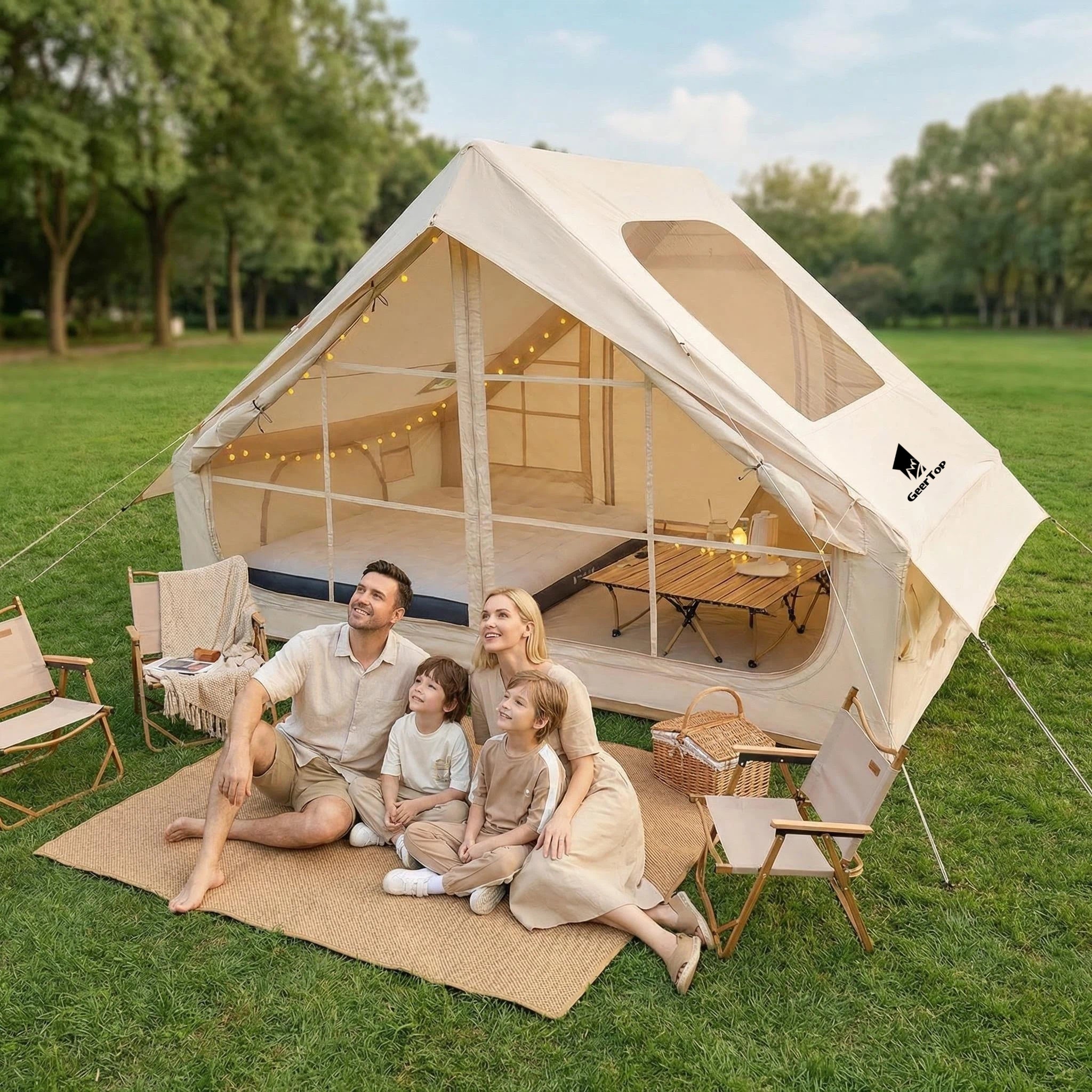
Families, backpackers, casual campers, beginners to intermediates
|
Mountaineers, winter campers, professional explorers, extreme weather trips
|
2. Detailed Breakdown: Which One Should You Choose?
When to Choose a 3-Season Tent
-
Most recreational camping – If you camp mainly in spring, summer, and fall in mild conditions.
-
Backpacking & hiking – Where every ounce matters, and you need a lightweight shelter.
-
Wet but temperate climates – Good ventilation and rain protection are essential.
-
Budget-friendly or first tent – More affordable and easier to set up for beginners.

When to Choose a 4-Season Tent
-
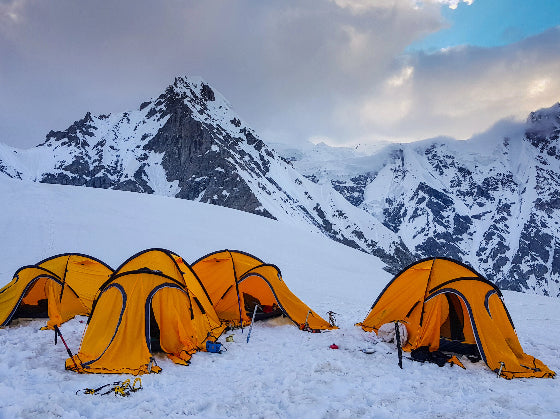
Winter or high-altitude trips – Camping in snow, on glaciers, or in exposed alpine zones.
-
Extreme or unpredictable weather – Even outside winter, if you expect high winds, storms, or heavy snowfall.
-
Year-round versatility – Want one tent for all conditions and don’t mind the extra weight.
-
Serious mountaineering/expeditions – Demanding trips where safety depends on shelter strength.

What About 3–4 Season Hybrid Tents?
These tents are reinforced for stronger weather (more pole crossings, tougher fabric) while keeping some ventilation. They’re a good middle ground if you occasionally face rough conditions but mostly camp in fair weather. However, they are often heavier and more expensive than pure 3-season tents.
3. FAQ: 3-Season vs. 4-Season Tents
Q1: Can I use a 3-season tent in winter?
Not recommended. 3-season tents are not built to handle snow loading, and their ventilation will cause rapid heat loss in freezing temps. In dry, calm, above-freezing conditions with extra insulation, it might work for a night—but it’s not safe or comfortable for real winter camping.
Q2: Is a 4-season tent too hot for summer?
It can be. Traditional 4-season tents prioritize warmth over airflow, so they may get stuffy in hot weather. Many newer models include adjustable vents or dual doors to improve circulation. If summer camping is in cool mountains, it’s fine; for hot lowland trips, a 3-season tent is better.
Q3: If I can only buy one tent, which should I choose?
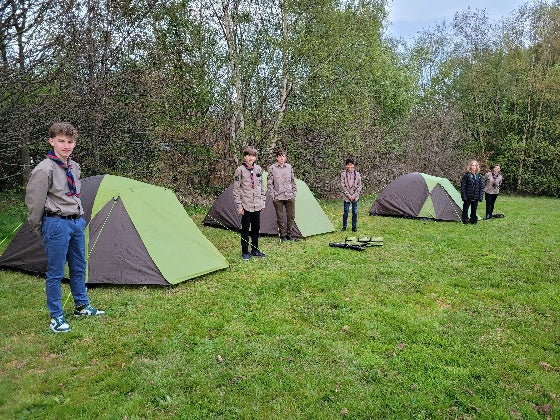
For most people, a 3-season tent is the practical choice. It covers 90% of common camping scenarios. Unless you regularly camp in snow, high winds, or extreme cold, investing in a high-quality 3-season tent (like the Ozark Trail 6-Person 3-Season Dome Tentor an ultralight backpacking model) is the smarter buy.
4. Top Picks: Examples of Each Type
3-Season Tents
-
Ozark Trail 6-Person 3-Season Dome Tent – Great for families, spacious and easy setup.
-
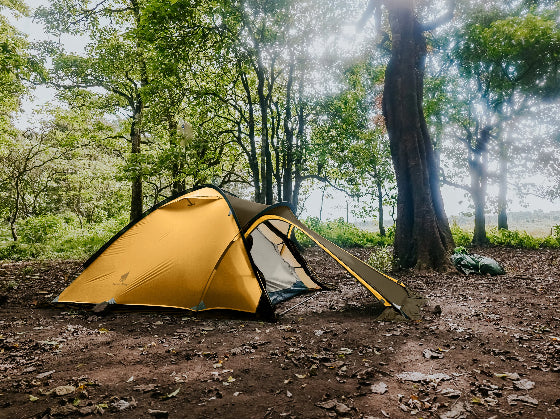
Geertop Ultralight 3-Season Backpacking Tent – Perfect for long-distance hikers.
-
Naturahike Classic Dome 3-Season Tent – Balanced durability and ventilation for weekend trips.
4-Season Tents
-
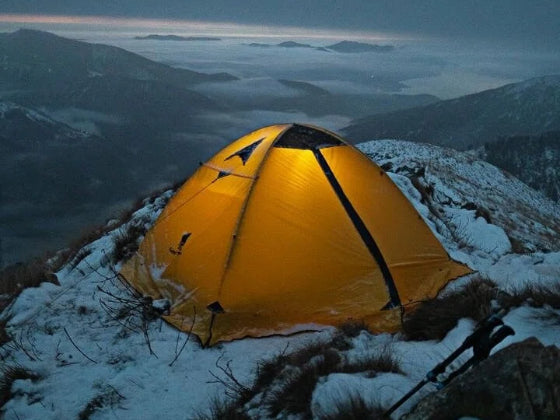
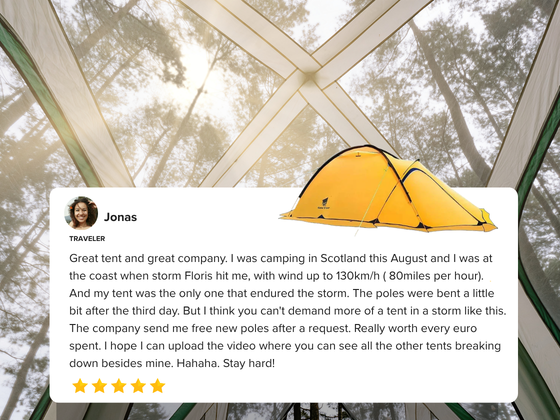
Geertop Mountaineering 4-Season Tent – Excellent stability and snow/wind resistance.
-
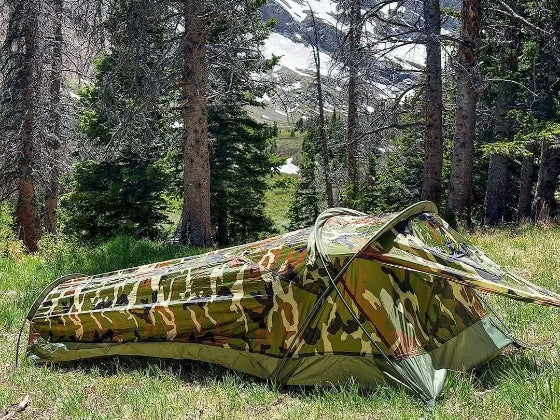
Geertop Backpacking Tent – Spacious, stable, designed for extreme conditions.
5. Quick Checklist: Which Tent Is Right for You?
✅ Choose a 3-season tent if you:
-
Camp mostly in spring, summer, and fall
-
Need a lightweight, packable shelter
-
Camp in rainy but not freezing conditions
-
Are a family or group camper wanting space and comfort
-
Want the best value for money

✅ Choose a 4-season tent if you:
-
Plan to camp on snow, in high mountains, or high-wind zones
-
Do winter mountaineering or polar expeditions
-
Don’t mind extra weight and higher cost
-
Need extreme weather protection and durability
-
Want one tent for all severe conditions

✅Consider a 3–4 season hybrid or a reinforced 3-season tent like the Geertop Libra if you:
Primarily camp in three seasons but occasionally face cold, windy, or light snow conditions
Want a tent that’s more robust than a standard 3-season model without the full weight and cost of a 4-season tent
Need versatility for changing weather during shoulder seasons (late fall or early spring)
Geertop Libra 2 Person 3 Season Tent for Camping

Final Thoughts: There’s No “Best” Tent—Only the “Right” Tent
The choice between a 3-season and 4-season tent comes down to matching the tent to your typical adventures. Consider when, where, and how you camp most often. For the majority of campers, a reliable 3-season tent will handle almost all trips beautifully. For snow and high-altitude enthusiasts, a true 4-season tent is a necessary investment in safety and comfort.
Whichever you choose, practice setting it up before you go, and always check weather and campsite conditions. Gear up wisely, stay safe, and enjoy the great outdoors!
Need more help? Tell us in the comments what kind of trips you take (season, group size, location), and we’ll recommend the perfect tent for you.