




Why Picking the Right Tent Matters for Every Explorer

If you’ve been wondering how to choose a camping tent, start here: the right tent shapes your whole trip. It decides how well you sleep, how dry your gear stays, and how confident you feel when the forecast changes. A tent isn’t just a place to crash. It’s your shelter system, your windbreak, and your reset button after a long day on the trail. When you choose well, you spend less time fixing problems and more time exploring.
Many campers focus on looks or size first, then get surprised by condensation, tricky poles, or a rainfly that doesn’t cover enough. That’s why learning how to choose a camping tent is really about matching protection, comfort, and packability to your real plans. Whether you’re heading out for a quick weekend or a multi-day trek, your tent should feel durable, reliable, and ready for adventure—without blowing your budget.
Staying Safe and Comfortable in the Wild
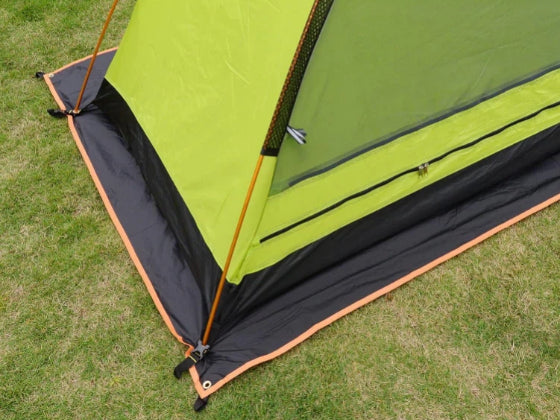
Your tent is your safety net when weather turns. Strong wind, cold nights, and sudden rain can hit even on “easy” trips. When you know how to choose a camping tent with solid weather resistance and smart ventilation, you reduce risk and increase comfort. Look for a stable structure, a full-coverage rainfly, and a bathtub-style floor that helps block splashback.
Comfort matters too. A cramped tent can ruin sleep and make you dread bedtime. A well-sized shelter gives you room to change layers, store a pack, and keep essentials close. If you camp in buggy areas, fine mesh and tight seams help you rest without constant buzzing. The goal is simple: stay protected, stay warm, and wake up ready.
Deepening Your Connection to the Outdoors
When your shelter works, you relax. That’s when you notice the small stuff: the sound of rain on the fly, the cool air at sunrise, and the quiet after dark. Learning how to choose a camping tent helps you build that calm. You stop worrying about leaks or broken zippers and start enjoying the place you came to see.
A good tent also supports better camp habits. You can set up earlier, cook before the wind picks up, and organize gear so mornings feel smooth. That kind of rhythm deepens your connection to the outdoors. You spend less time wrestling equipment and more time living outside, even if it’s just for one night.
Empowering Your Next Adventure
The right shelter makes you more willing to go. When you trust your gear, you say yes to shoulder-season trips, higher elevations, and new routes. That’s the real win behind how to choose a camping tent: it empowers your next adventure by removing doubt. You don’t need perfection. You need reliable performance that matches your goals.
At GeerTop, we build gear for people who want to explore more often and worry less. Our mission is simple: “To stay wild and have fun is at the heart of what we do.” A dependable tent helps you do exactly that—more nights outside, more confidence in changing conditions, and more stories worth telling.
The Four Pillars of a Truly Reliable Tent
If you want a clear framework for how to choose a camping tent, use these four pillars: weather resistance, easy setup, durability, and affordability. Each pillar supports the others. A storm-ready tent that takes 30 minutes to pitch can still be a bad fit. A lightweight shelter that saves ounces but fails in wind won’t feel reliable. The best choice balances performance with the way you actually camp.
Use this section as a checklist before you buy. Think about where you camp most, what weather you face, and how much time you want to spend setting up. When you evaluate tents through these pillars, you’ll spot the difference between “looks good online” and “works when it counts.”
Weather Resistance: Stay Dry and Protected
Weather Resistance: Stay Dry and Protected means more than a “waterproof” label. Focus on full coverage and smart design. A rainfly should extend far enough to shield doors and walls. Sealed seams and a durable floor help prevent seepage. Ventilation matters too, because condensation can soak sleeping bags even when it never rains.
When you’re learning how to choose a camping tent for wet or windy areas, prioritize a stable pole structure and secure guy-out points. In snow or heavy wind, a stronger frame and lower profile can help. You don’t need extreme expedition specs for every trip, but you do want protection that matches your typical conditions.
Easy Setup: Ready for Adventure in Minutes
Easy Setup: Ready for Adventure in Minutes is a real quality-of-life upgrade. After a long hike, you want a pitch that feels automatic. Look for intuitive pole layouts, clear attachment points, and a design that can go up fast even if it’s windy or getting dark. A quick setup also helps you avoid mistakes that lead to leaks or sagging fabric.
As you figure out how to choose a camping tent, ask yourself: can you pitch it solo? Can you do it with cold hands? Can you stake and tension it without guessing? The easier the process, the more likely you’ll set it up correctly every time, which boosts weather performance and comfort.
Durability: Gear That Goes the Distance
Durability: Gear That Goes the Distance comes from materials and construction. Strong fabrics, reinforced stress points, dependable zippers, and quality stitching all matter. If you camp often, durability is what keeps your tent feeling reliable season after season. It also protects your investment, because a tent that lasts saves you money over time.
When deciding how to choose a camping tent for frequent use, check the floor and corners first. Those areas take the most abuse. Also look for sturdy pole materials and a design that stays taut. A durable tent doesn’t have to be heavy, but it should feel built for real nights outside, not just fair-weather photos.
Affordability: Quality Without Compromise
Affordability: Quality Without Compromise is about value, not cutting corners. You want a tent that meets your needs without paying for features you won’t use. If you rarely camp in snow, a true winter tent may be overkill. If you always backpack, a heavy car-camping shelter will feel like a mistake.
How to choose a camping tent on a budget starts with priorities. Spend on weather protection and durability first. Then choose the lightest, simplest option that still fits your style. GeerTop focuses on affordable, high-quality gear engineered for tough conditions, so you can build a reliable kit without compromising your adventure plans.
Match Your Tent to Your Adventure Style

One of the fastest ways to learn how to choose a camping tent is to stop thinking in “best overall” terms and start thinking in “best for my trips.” Your adventure style determines the right balance of weight, space, and features. A backpacking tent should pack small and pitch fast. A car-camping tent can prioritize comfort and headroom. A hiking shelter might need extra storm protection for exposed terrain.
Match Your Tent to Your Adventure Style by listing your top three trip types. Then choose a tent that fits those trips most of the time. You can always add a second tent later for special cases. This approach keeps your first purchase practical, reliable, and easy to use.
Backpacking, Hiking, or Car Camping: What to Look For
For backpacking and hiking, weight and packed size matter. Look for ultralight materials, compact poles, and a footprint that fits small campsites. Vestibule space helps keep muddy boots and wet packs outside your sleeping area. If you’re often above treeline or in gusty areas, prioritize a stable structure and solid guy points.
For car camping, comfort rises to the top. You can choose more space, taller walls, and easier entry. Setup should still be simple, especially if you arrive late. When you’re deciding how to choose a camping tent for mixed use, aim for a balanced design: not too heavy, not too cramped, and weather-ready enough for surprise storms.
Seasonal Considerations: 3-Season vs. 4-Season
Seasonal ratings can feel confusing, but they’re a key part of how to choose a camping tent. A 3-season tent is built for spring, summer, and fall. It usually has more mesh for airflow and focuses on rain and wind protection. A 4-season tent is designed for snow load and stronger winds, often with less mesh and a sturdier frame.
If you camp mostly in mild conditions, a 3-season shelter often gives the best comfort. If you plan winter trips, high elevations, or heavy storms, consider a more protective design. Be honest about your real calendar. The right seasonal choice helps you stay safe and comfortable in the wild without carrying extra weight you don’t need.
Solo Expeditions or Group Trips: Sizing and Space
Capacity ratings can be optimistic. A “2-person” tent may fit two sleeping pads, but not much else. When learning how to choose a camping tent, think about how you sleep and what you store inside. If you want room for gear, choose a larger size or look for strong vestibule storage.
For solo trips, a 1-person tent saves weight, but a little extra space can boost comfort on longer routes. For pairs or groups, consider door count, interior pockets, and headroom. More doors reduce midnight climbing over each other. The right size keeps your shelter livable, not just technically big enough.
Explore GeerTop’s Top Tent Picks: Built for Every Condition

Once you understand how to choose a camping tent, it helps to see real options that match different trip styles. GeerTop designs functional, rugged shelters that focus on durability, reliable weather protection, and easy use. The goal is simple: help you explore more with gear that performs in tough conditions, while staying affordable.
Below are a few standout picks that cover everything from extreme weather to ultralight solo travel and quick family-style setups. Use them as reference points while you decide what matters most for your adventures.
Navigator Tent: Engineered for Extreme Weather
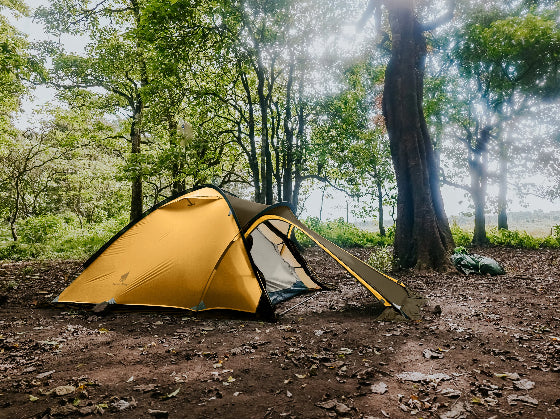
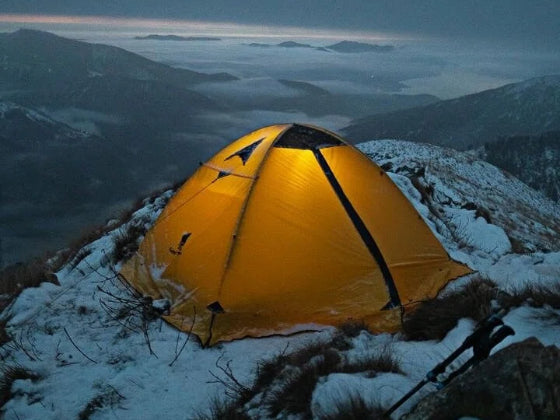
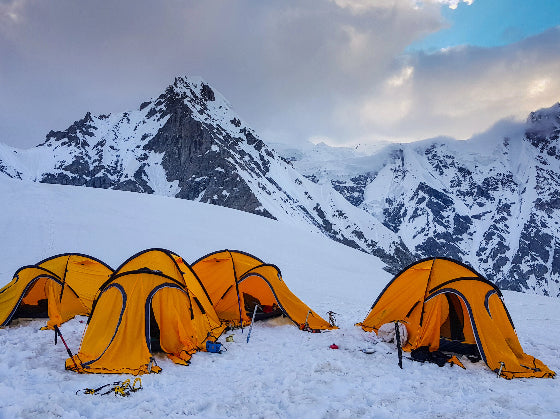
If your trips include harsh wind, cold nights, or exposed camps, the Navigator Tent is built for that challenge. Its design focuses on stability and protection, so you can feel confident when conditions get serious. This is the kind of shelter you choose when weather resistance is your top priority.
When you’re deciding how to choose a camping tent for demanding routes, look for a tent like this: strong structure, dependable materials, and a shape that handles gusts. It’s a solid option for explorers who want a reliable base in unpredictable environments.
Toproad2 Tent: Double Layer Protection for All Seasons
The Toproad2 Tent features a waterproof and snowproof double-layer design that supports a wide range of conditions. Double layers can help manage condensation and add protection when rain or wet snow shows up. It’s a practical choice if you camp across multiple seasons and want a dependable all-rounder.
If you’re learning how to choose a camping tent for mixed weather, this style gives you flexibility. You get ventilation when it’s warm and extra coverage when it’s not. That balance is what many campers need for weekend trips, road travel, and changing forecasts.
Bivy and PyramidII: Ultralight Solutions for Solo Hikers
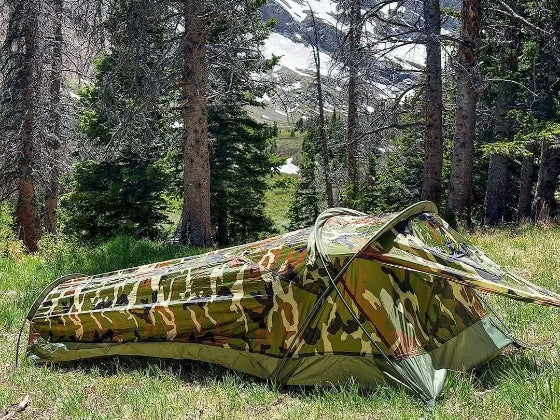
For solo hikers who count every ounce, the Bivy Tent and PyramidII Tent offer ultralight shelter options. These designs focus on portability and efficient setup, which makes them great for fast-and-light trips, long-distance routes, and minimalist kits. They also help you camp in smaller, tighter spots.
How to choose a camping tent for solo trekking often comes down to this tradeoff: weight versus space. If you want maximum mobility, these ultralight options can be a smart fit. Pair them with a good sleep system and you’re ready to move farther with less strain.
Inflatable Tent: Ultimate Convenience on the Go
If you love quick camps and low-fuss pitching, an inflatable tent with air beams can be a game changer. Instead of traditional poles, you inflate the structure, which can simplify setup and reduce the “where does this pole go?” moment. It’s especially handy for car camping, base camps, and trips where you arrive late.
When you’re thinking about how to choose a camping tent for convenience, focus on easy setup and reliable stability. This style is built for campers who want more time relaxing and less time assembling. It’s a great way to stay ready for adventure in minutes.
Answers to Common Tent-Buying Questions
Even after you learn the basics of how to choose a camping tent, a few questions tend to pop up right before you buy. That’s normal. Tents combine materials, design, and real-world conditions, so small details can feel important. Use these quick answers to make confident decisions without overthinking.
Keep your focus on your most common trips. A tent that matches your usual weather, group size, and setup style will feel reliable every time you use it. That’s what matters most for staying safe and comfortable in the wild.
What Tent Material Is Most Reliable?
Reliable tent materials balance strength, weight, and weather performance. Many modern tents use durable synthetic fabrics that resist water and dry fast. What matters most is the overall build: reinforced corners, quality stitching, and a floor fabric that can handle rough ground.
When deciding how to choose a camping tent by material, don’t judge by fabric alone. Check the zippers, seam construction, and pole quality too. A well-built tent with solid components will outperform a “fancy” fabric with weak construction.
How Do I Judge Weatherproof Qualities?
Start with coverage and design. A full-coverage rainfly, sealed seams, and a bathtub floor are strong signs of good protection. Ventilation also matters, because condensation can mimic leaks. Look for vents, mesh placement, and a fly that allows airflow without letting rain in.
If you’re learning how to choose a camping tent for wet climates, also check for sturdy guy-out points and a shape that sheds wind. Then practice pitching it tightly. Even the best tent performs poorly if it’s loose and sagging.
What Makes a Setup Truly ‘Quick and Easy’?
A quick setup feels repeatable. You should be able to pitch it correctly without stopping to re-read instructions. Color-coded parts, fewer steps, and intuitive pole layouts help a lot. The tent should also tension easily, so you can get a tight pitch fast.
How to choose a camping tent for easy setup comes down to your reality: solo pitching, tired evenings, and changing weather. If you can set it up smoothly the first few times, you’ll trust it when conditions are less friendly.
Take the Next Step: Gear Up for Adventure with GeerTop
Now you know how to choose a camping tent using a simple, reliable approach: focus on weather resistance, easy setup, durability, and affordability, then match those features to your adventure style. That’s the formula that helps you buy once and camp more. When your shelter works, you spend your energy on the trail, the view, and the people you’re with.
GeerTop builds tents for real outdoor use—functional, rugged, and ready for changing conditions. If you want gear that supports your next trip without adding stress, you’re in the right place. Stay Wild. Have Fun!
How to Choose Your GeerTop Tent
Start by naming your most common trip: backpacking, hiking, or car camping. Then decide your season range and your typical weather. Finally, choose your size based on how much space you want for gear and comfort. This quick process keeps your decision clear and practical.
If you’re still comparing options, revisit the four pillars and rank them. That ranking makes how to choose a camping tent feel simple. You’ll know what to prioritize, and you’ll avoid paying for features you won’t use.
Explore Our Collection and Stay Wild
Ready to find your fit? Explore GeerTop’s tent collection and pick the shelter that matches your route, your season, and your style. You’ll find options built for extreme weather, ultralight solo travel, and fast, convenient setup.
Explore Our Collection and choose a tent that helps you stay dry, sleep better, and wake up excited to explore. Shop Now at geertop.com and build a kit that’s durable, reliable, and affordable.
Adventure Awaits—Where Will You Go Next?
Your next campsite is out there, and the right shelter helps you reach it with confidence. Use what you learned about how to choose a camping tent, then commit to a trip date. Even a simple overnight can reset your week and remind you why you love the outdoors.
Wherever you go—mountains, forests, deserts, or coastlines—bring gear that supports your curiosity. GeerTop is here to help you stay wild, have fun, and keep exploring.
