


Best Mountaineering Tents for High Winds and Snowstorms: How GEERTOP Navigator Compares
When you're camping above the tree line, a tent is more than somewhere to sleep. It is your shelter from driving wind, drifting snow, freezing rain, and the kind of weather that can change a mountain trip in a matter of hours.
Choosing the right mountaineering tent means looking beyond brand names and marketing claims. Frame design, guyline attachment points, anchoring options, fabric construction, snow protection, and packed weight all deserve careful consideration.
Premium brands such as Hilleberg, The North Face, and Mountain Hardwear have established reputations in the mountaineering market. Their tents offer a range of specialist features, but they can also be heavier, more expensive, or designed around different expedition priorities.
The GEERTOP Navigator 2-Person 4-Season Mountaineering Tent offers another option for climbers and winter campers who want a purpose-built shelter without automatically moving into the highest-priced segment of the market.
In this guide, we'll compare the Navigator with established mountaineering tents, examine published specifications, explain the strengths and trade-offs of each design, and help you decide what matters most for high winds and snowstorms.
Quick takeaway: The Navigator stands out on paper for its 8,000 mm flysheet waterproof rating, 5,000 mm floor rating, built-in snow skirt, double-wall construction, and mountaineering-focused design. However, waterproof ratings alone cannot prove storm resistance. For exposed alpine use, frame geometry, anchoring, documented field performance, and correct pitching are equally important.

1. What Makes a Mountaineering Tent Suitable for High Winds and Snowstorms?
Not every tent marketed as four-season equipment is designed for the same conditions. Before comparing individual models, it helps to understand the features that matter most.
Structural stability
A tent's ability to cope with wind depends on its complete structure: pole configuration, pole intersections, fabric tension, attachment points, and anchoring system.
When comparing tents, look for:
-
A frame designed for the intended level of exposure.
-
Reinforced guyline attachment points.
-
Multiple opportunities to secure the tent.
-
A shape and pitching system suited to windy conditions.
-
Clear manufacturer guidance on the tent's intended use and limitations.
Aluminium poles are commonly used in mountaineering tents, but the material alone does not establish a tent's maximum safe wind speed.
Snow protection
Snow can accumulate on a tent, drift around its base, or be driven beneath exposed edges by strong winds.
Features worth evaluating include:
-
Snow skirts or other appropriate lower-edge protection.
-
Secure anchoring options for snow and frozen ground.
-
A frame design appropriate for the expected snow conditions.
-
Sufficient space to manage equipment without obstructing the sleeping area.
A snow skirt can help reduce drifting snow and drafts around the base. It does not establish a tent's snow-load capacity or eliminate the need to choose a safe campsite.
Waterproof construction
Waterproof ratings provide useful comparison data, especially when assessing a tent's flysheet and floor.
However, a higher hydrostatic-head rating does not automatically mean a tent is more resistant to wind or better suited to every snowstorm.
Fabric construction, seams, abrasion resistance, overall coverage, ventilation, and pitching all contribute to the performance of the complete shelter.
Weight and usability
A heavy tent can become a burden during a long approach, while an ultralight shelter may not offer the features you need for an exposed winter camp.
The objective is to find the best balance between the shelter's design, weight, interior space, and intended conditions.
2. GEERTOP Navigator vs. Major Mountaineering Tent Brands
The following comparison uses published manufacturer specifications for the GEERTOP Navigator, The North Face Mountain 25, Mountain Hardwear Trango 2, and Hilleberg Jannu.
These are not controlled laboratory test results. The models have different designs and specifications, and their published weight figures do not all use the same measurement basis.
| Feature | GEERTOP Navigator 2P | The North Face Mountain 25 | Mountain Hardwear Trango 2 | Hilleberg Jannu |
|---|---|---|---|---|
| Intended category | 2-person, 4-season mountaineering | 2-person mountaineering | 2-person mountaineering | 2-person high-performance mountaineering |
| Published weight | 6.27 lb in product description; | 9 lb 13 oz total weight | 9 lb 7 oz packed weight | 7 lb 1 oz packed weight in the published handbook |
| Flysheet specification | 20D nylon, PU 8000 mm | 40D nylon, 1500 mm PU/silicone coating | 70D nylon, 2000 mm silicone/silicone coating | Kerlon 1200 fabric |
| Floor specification | 210T polyester, PU 5000 mm | 70D nylon, 5000 mm PU coating | 70D nylon, 10000 mm waterproof rating | Check current manufacturer documentation for the exact specification |
| Frame | Aluminium poles | DAC poles | DAC Featherlight NSL poles; five-pole design | Three-pole dome design |
| Snow-related features | Built-in snow skirt | Four snow stakes included | Snow flaps on front vestibule | Designed for demanding mountaineering conditions |
| Other notable features | Double-wall design; compact stated packed dimensions | Two doors, vestibule, multiple guyline points, high-low ventilation | Two doors, two vestibules, multiple guy-out points and internal storage | Reinforced high-performance fabric and a compact dome structure |
| Main selling point | Feature set and stated waterproof ratings | Established mountaineering design and extensive practical features | Robust construction and generous storage | Premium expedition-oriented construction |
Sources: GEERTOP Navigator official product page, The North Face Mountain 25, Mountain Hardwear Trango 2, and Hilleberg's published Jannu handbook.

3. GEERTOP Navigator: Where It Stands Out
The Navigator's strongest selling points are its combination of published waterproof specifications, snow-related features, double-wall construction, and mountaineering-oriented design.
3.1 An 8,000 mm flysheet waterproof rating
The Navigator's published flysheet specification is 20D nylon with a PU 8000 mm waterproof coating.
Its floor is listed as 210T polyester with a PU 5000 mm coating.
These figures give shoppers concrete information to compare with other tents. The flysheet rating is higher than the published 1,500 mm coating listed for the current North Face Mountain 25 and the 2,000 mm fly fabric rating listed for the Mountain Hardwear Trango 2.
That comparison is useful, but it needs context.
Different manufacturers may use different fabrics, coating systems, test methods, and product configurations. Hydrostatic-head ratings do not measure wind resistance, pole strength, seam durability, or snow-load capacity.
What this means for buyers: If flysheet waterproof rating is an important part of your purchasing decision, Navigator offers a clearly stated specification worth considering. For storm use, assess the rest of the design as well.
3.2 A built-in snow skirt
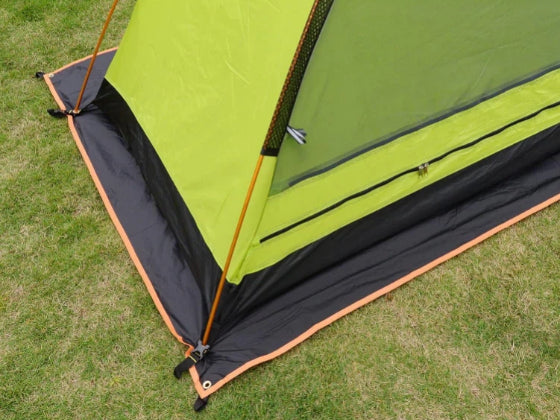
The Navigator includes a snow skirt around the base of the tent.
This feature can help reduce drifting snow and cold drafts entering around the lower perimeter when the tent is pitched and used appropriately.
It is particularly relevant to buyers who expect to camp in snowy conditions rather than exclusively on dry summer trails.
The limitation is straightforward: a snow skirt does not make a tent stormproof. Snow accumulation, the force and direction of the wind, anchoring, and campsite selection still matter.
3.3 Double-wall construction
The Navigator uses an inner tent and an outer fly.
A double-wall design separates the sleeping area from the outer flysheet, which can help manage moisture and keep the inner living space separate from direct contact with the fly.
However, condensation remains possible in cold, damp conditions. Ventilation, wet clothing, temperature differences, and campsite conditions all affect moisture management.
For winter camping, a double-wall tent should be treated as one component of a complete shelter and sleeping system, not a guarantee against condensation.
3.4 Aluminium poles
The Navigator uses aluminium poles, a common choice for mountaineering and backpacking tents.
The benefit is a purpose-built frame rather than relying on a shelter designed exclusively for fair-weather camping.
Nevertheless, pole material alone does not demonstrate superior wind performance. A meaningful comparison would require information about pole dimensions, frame geometry, reinforced attachment points, anchoring, and documented wind testing.
For buyers considering Navigator for exposed alpine use, these are useful questions to raise with the manufacturer.
3.5 A two-person design for mountaineering trips
The Navigator is designed for two people and lists a peak height of approximately 39.4 inches.
That capacity may suit partners sharing a shelter, but winter equipment occupies more space than typical summer backpacking gear.
Before buying, check the actual interior dimensions, sleeping width, door access, and room available for essential equipment. The floor dimensions should also be confirmed against the current specification sheet, as the published product information should be consistent across all sections.

4. The North Face Mountain 25: Strengths and Trade-Offs
The North Face Mountain 25 is a dedicated two-person mountaineering tent with a detailed feature set.
Its published specifications include a 40D nylon flysheet, a 70D floor with a 5000 mm PU coating, DAC poles, four included snow stakes, multiple guyline attachment points, two doors, a vestibule, and several ventilation options.
Where the Mountain 25 excels
-
Detailed mountaineering features: Snow stakes, reflective guylines, and reinforced flysheet areas are useful elements for exposed camping.
-
Storage and organisation: Eight internal pockets, additional storage options, and hanger loops help keep gear organised.
-
Multiple access and ventilation options: Two doors and a vestibule provide flexibility, while high-low ventilation can help manage moisture.
-
Established product documentation: The manufacturer's page provides a detailed list of construction features and specifications.
Where the trade-offs appear
The Mountain 25 has a published total weight of 9 lb 13 oz, or approximately 4.45 kg. That is a substantial load for a two-person shelter, especially when combined with winter sleeping equipment and other mountain gear.
Its published flysheet coating rating is also lower than the Navigator's stated 8000 mm rating. However, this difference does not prove that Navigator offers better overall storm performance.
The Mountain 25's listed features may be more attractive to buyers who value storage, multiple access points, and a detailed system of guyline and ventilation features.
Bottom line: The Mountain 25 is worth considering for buyers who prioritise an established mountaineering tent with extensive built-in features. Navigator is an alternative for shoppers who want to compare a different combination of waterproof specifications, snow protection, and overall design.
Official source: The North Face Mountain 25.
5. Mountain Hardwear Trango 2: Strengths and Trade-Offs
The Mountain Hardwear Trango 2 is another established two-person mountaineering tent.
Its manufacturer lists a five-pole design, DAC Featherlight NSL poles, a 70D nylon fly with a 2000 mm silicone/silicone specification, a 70D floor with a 10000 mm waterproof rating, two doors, two vestibules, snow flaps at the front vestibule, and multiple guy-out points.
Where the Trango 2 excels
-
A detailed structural system: Five poles and multiple guy-out points are notable features for a tent intended for mountaineering.
-
Gear storage: Two vestibules provide dedicated space for equipment outside the sleeping area.
-
Internal organisation: Storage pockets and internal tension shelves help keep gear organised.
-
Snow-related details: The front vestibule's snow flaps are designed to help seal out drifting snow.
Where the trade-offs appear
The manufacturer lists a packed weight of 9 lb 7 oz, or approximately 4.28 kg.
For climbers carrying a full winter load, this weight deserves consideration. Its more substantial construction and multiple features may appeal to buyers prioritising a particular expedition-oriented design, but the complete package may be heavier than some backpackers prefer.
The Trango 2 also has a higher published floor waterproof rating than the Navigator. This is an important distinction: Navigator should not be presented as superior in every specification.
Instead, the two models should be evaluated across the full set of requirements, including flysheet construction, frame design, anchoring, snow protection, weight, storage, and the intended expedition.
Bottom line: The Trango 2 is a strong comparison option for buyers seeking a detailed mountaineering-specific design. Navigator's case is based on its own published features and specifications, rather than a claim that it outperforms Trango in every area.
Official source: Mountain Hardwear Trango 2.
6. Hilleberg Jannu: Strengths and Trade-Offs
Hilleberg is a specialist tent brand associated with high-performance outdoor and expedition shelters. The Jannu is a relevant model to compare when evaluating compact, two-person mountaineering tents.
Hilleberg's published handbook lists the Jannu at a packed weight of 7 lb 1 oz, approximately 3.2 kg, with Kerlon 1200 outer fabric and a three-pole dome design.
Because this weight comes from the published 2021 handbook, check Hilleberg's current documentation before using it as a current specification.
Where the Jannu excels
-
Specialist construction: The Jannu is built around a dedicated mountaineering design.
-
High-performance fabric: Kerlon 1200 is a named fabric used in Hilleberg's tent range.
-
Compact dome structure: The three-pole design is part of the tent's intended mountaineering configuration.
-
Premium brand positioning: Buyers comparing specialist expedition tents may value the brand's focused product range and technical documentation.
Where the trade-offs appear
The Jannu belongs to a premium specialist category, so it may not be the first choice for shoppers whose main consideration is keeping the purchase cost down.
Its published packed weight is also heavier than Navigator's 6.27 lb figure, although the exact weight categories need to be verified before making a direct comparison.
The most useful question is not whether one brand is universally better. It is whether the additional construction details, materials, support, and other features justify the cost for your own intended trips.
Bottom line: The Jannu is a serious premium comparison for mountaineers who prioritise specialist construction. Navigator offers another route for buyers who want to compare the features and price of a four-season tent without automatically selecting the premium-priced option.
Official reference: Hilleberg Jannu specifications in the published handbook.
7. Which Tent Offers the Best Value for High Winds and Snowstorms?
There is no universally best mountaineering tent. The right choice depends on the conditions, the equipment you carry, your budget, and the features you consider essential.
Use this comparison as a practical starting point.
| Your priority | Tent worth comparing | Why |
|---|---|---|
| Published flysheet waterproof rating of 8000 mm | GEERTOP Navigator | Clearly stated flysheet specification and built-in snow skirt |
| Multiple storage pockets and two-door access | The North Face Mountain 25 | Extensive internal organisation and two-door design |
| Multiple guy-out points and two vestibules | Mountain Hardwear Trango 2 | Detailed structural and storage features |
| Premium specialist mountaineering construction | Hilleberg Jannu | Kerlon 1200 outer fabric and a three-pole dome design |
| Balancing stated features with purchase budget | GEERTOP Navigator | Worth evaluating against premium alternatives using current prices and full specifications |
This table identifies features and positioning, not a laboratory ranking. The tents have not been tested side by side under identical wind and snow conditions, so it would be misleading to award a definitive storm-resistance winner.
For buyers comparing value, consider the complete cost of ownership, including replacement poles, repairs, accessories, warranty, and the conditions in which the tent will actually be used.

8. What Does the Evidence Say About Navigator in Real Mountaineering Conditions?
Manufacturer specifications are useful, but real-world evidence matters when choosing a tent for demanding environments.
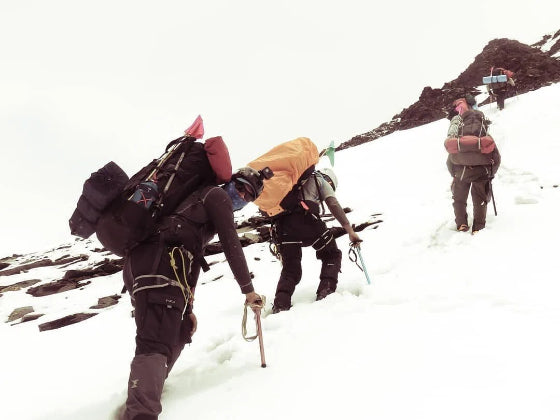
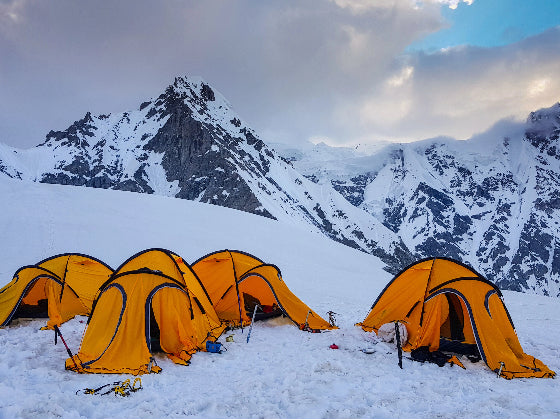
GEERTOP's Navigator product page documents use by a Belgian climbing team during a Himalayan expedition involving Chongra Peak, at an elevation of 6,840 metres. The page also includes expedition-related photographs and describes the tent's use at high altitude.
This provides a relevant starting point for understanding the Navigator's intended role.
However, a reported expedition is not the same as a controlled wind test or an independent certification. Without a published test protocol and measured results, it should not be used to claim a particular maximum wind speed or snow-load capacity.
For a more detailed discussion of the tent's design and reported expedition use, read GEERTOP's related article:
When evaluating any mountaineering tent, look for evidence that explains:
-
The actual weather and terrain encountered.
-
How the tent was pitched and anchored.
-
How long it was used under the reported conditions.
-
Whether any damage, repairs, or problems occurred.
-
Whether the evidence is from the manufacturer, a user report, or an independent reviewer.
These details help readers distinguish product specifications from documented field performance.
9. How to Choose the Right Tent for Your Next Winter Trip
Before purchasing a tent for high winds and snowstorms, ask yourself five questions.
1. How exposed will my campsite be?
A sheltered forest campsite and an exposed alpine camp present different challenges. The more demanding the environment, the more carefully you should evaluate the complete tent structure and its anchoring system.
2. What kind of precipitation should I expect?
Heavy rain, drifting snow, and prolonged wet conditions call for different considerations. Compare the flysheet, floor, seams, coverage, and snow-related features.
3. How much weight can I carry?
Remember that your tent is only one part of the load. Winter clothing, sleeping equipment, food, water, navigation tools, and emergency supplies all contribute to the weight you carry.
4. How much space do I need?
Two-person capacity does not guarantee generous room for two adults and bulky winter equipment. Check the actual dimensions and storage arrangement.
5. What evidence supports the tent's intended use?
Look for clear specifications, relevant field reports, setup instructions, warranty information, and documented limitations.
If the weather is beyond your experience or equipment, change your plans. A tent cannot eliminate the risks associated with severe mountain conditions.

Frequently Asked Questions
What is the best mountaineering tent for high winds and snowstorms?
The best tent depends on the expected wind, snowfall, terrain, anchoring requirements, number of occupants, and packed weight. Compare purpose-built mountaineering tents using structural design, guyline attachment points, snow protection, and credible field evidence. No model should be considered suitable for every storm.
Is the GEERTOP Navigator suitable for winter mountaineering?
The Navigator is marketed as a two-person, four-season mountaineering tent. Its published features include a double-wall design, aluminium poles, a built-in snow skirt, a PU 8000 mm flysheet rating, and a PU 5000 mm floor rating. Suitability for a particular expedition depends on the expected conditions and the manufacturer's guidance.
Is an 8000 mm waterproof rating better than a 1500 mm rating?
It is a higher stated hydrostatic-head rating, but it does not automatically establish better overall tent performance. Fabrics, coatings, test methods, seams, construction, and intended use can differ. Waterproof ratings do not measure wind resistance or snow-load capacity.
Is the Navigator lighter than The North Face Mountain 25?
GEERTOP's product description lists 6.27 lb for the Navigator, while The North Face lists 9 lb 13 oz as the Mountain 25's total weight. However, GEERTOP's specification section separately lists a 3.45 kg package weight. Confirm the Navigator's complete packed weight and compare like-for-like weight categories before drawing a definitive conclusion.
Does a snow skirt make a tent stormproof?
No. A snow skirt can help reduce drifting snow and drafts around the base, but it does not make a tent stormproof. Frame structure, anchoring, campsite selection, weather severity, and correct pitching all remain important.
Should I choose Navigator over Hilleberg or Mountain Hardwear?
That depends on your budget, intended conditions, and priorities. Navigator offers a published flysheet waterproof rating of 8000 mm and a built-in snow skirt. The Hilleberg Jannu and Mountain Hardwear Trango 2 have their own construction features and specialist design priorities. Compare the full specifications, warranty, current prices, and available performance evidence before deciding.
What should I check before using a tent in a snowstorm?
Practise pitching beforehand, understand the manufacturer's anchoring instructions, assess the forecast and campsite, and make sure the tent is appropriate for the expected conditions. Carry suitable winter equipment and have a clear plan to change or abandon the trip if conditions deteriorate.
Final Verdict: Is GEERTOP Navigator Worth Considering?
For climbers and winter campers comparing mountaineering tents, the GEERTOP Navigator deserves consideration because it combines several relevant features in one two-person, four-season design.
Its published strengths include:
-
A PU 8000 mm flysheet waterproof rating.
-
A PU 5000 mm floor rating.
-
A built-in snow skirt.
-
Double-wall construction.
-
Aluminium poles.
-
A design intended for mountaineering and cold-weather camping.
The North Face Mountain 25, Mountain Hardwear Trango 2, and Hilleberg Jannu each offer their own advantages, including extensive storage, multiple vestibules, specialist frame systems, and premium materials. Those features may be worth the additional cost or weight for particular users.
Navigator's strongest argument is not that every competing tent is inferior. It is that buyers have another option to compare using concrete product specifications, relevant design features, and reported mountaineering experience.
If you are looking for a two-person four-season shelter, review the Navigator's full specifications and compare them with the demands of your planned trips.
Explore the GEERTOP Navigator 2-Person 4-Season Mountaineering Tent:
https://geertop.com/products/geertop-navigator-2-person-4-season-mountaineering-tent
For high-altitude trips, always match your equipment to the conditions, follow the manufacturer's guidance, and prioritise sound mountain judgement over any product claim.