


Why Look Beyond the MSR Remote 2?
The MSR Remote 2 is a genuinely great tent. At $859.95, it delivers near-vertical walls, a massive 22 sq ft vestibule, and wind resistance rated for 60+ mph gusts. Guides in the Alaska Range and the Cascades swear by it.
But real-world quirks send experienced campers shopping. There are no snow flaps on the sides. The rainfly bottom edge can float up to 5 inches off the ground, letting spindrift creep in. Setup in wind and cold is a wrestling match, especially with gloves on. Ventilation options are limited, which means condensation becomes a problem on longer trips.
Factor in tariff-driven price increases that have hit the entire 4-season tent category through 2025 and 2026, and the case for exploring alternatives gets even stronger. This guide matches alternatives to specific winter camping scenarios, because the right tent depends on how and where you camp, not just which brand carries the biggest reputation.
Understanding Your Winter Camping Scenario First
Here is the decision filter most roundups skip entirely: are you camping below treeline or above it?
Below-treeline scenarios (snowshoeing, ski touring, car camping in deep snow) give you natural wind protection from trees and terrain. You can get away with lighter, more packable options that still handle snow loads and cold temperatures. Full mountaineering specs are not necessary here.
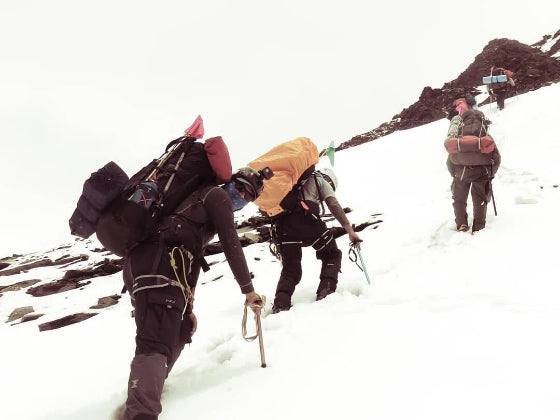
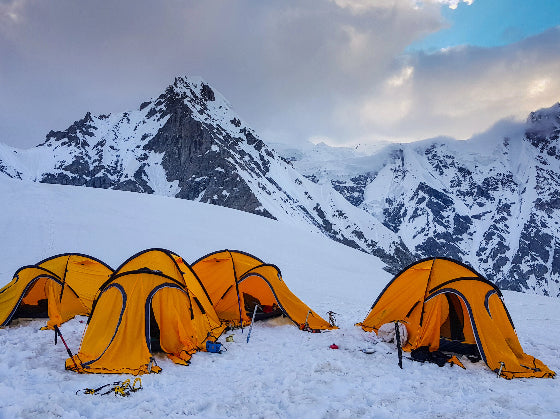
Above-treeline and alpine objectives (glacier basecamps, summit pushes, exposed ridgelines with sustained 60+ mph winds) demand a different class of tent. Stronger poles, lower profiles, and full-coverage flies designed to shed snow are non-negotiable. A 3-season tent simply will not cut it when you are staring down a storm at 14,000 feet.
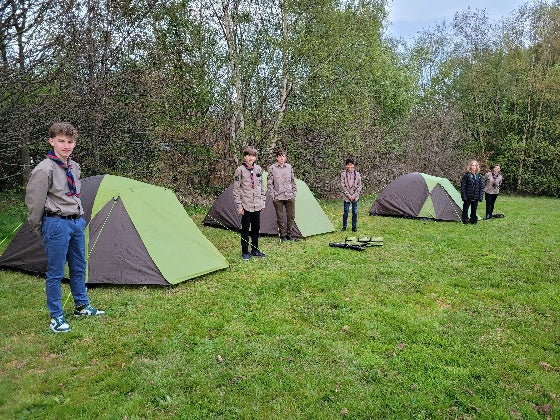
It is also worth noting the growing wave of beginner and youth winter campers entering the sport through programs like The Duke of Edinburgh's Award, which we proudly support by providing tents for young explorers. These campers need accessible options that perform well without requiring expedition-level expertise to set up.
Best Premium Alternative: Hilleberg Jannu
If performance outranks budget, the Hilleberg Jannu is the tent to beat. It holds the top spot on OutdoorGearLab's rankings and carries a perfect 5/5 star rating across every major retail site. That kind of consensus is rare in outdoor gear.
At 6 lbs 3 oz minimum weight, the Jannu is actually lighter than the Remote 2's 7 lbs 13 oz packaged weight. It is priced at $1,325 at US dealers as of July 2026, up roughly 23% from its previous $1,075 listing. That is a significant jump, and we will not pretend otherwise.
Consider the "value per storm night" framing, though. If you camp in extreme conditions 20 or 30 nights a year, the Jannu's legendary build quality and longevity mean it could outlast two or three lesser tents. Its snow management is superior to the Remote 2, and cold-weather setup is far more intuitive. Hilleberg designed this tent for people who do not have time to fumble with clips when the wind is howling.
Best for: glacier basecamps, multi-day alpine objectives, and anyone who camps in extreme conditions regularly enough to justify the investment.
Best Expedition-Proven Alternative: Mountain Hardwear Trango 2
The Trango 2 has been to Everest, Denali, and Vinson. That is not marketing copy; that is a verified expedition resume. When mountaineering teams need a tent they can trust at altitude, this is one of the names that comes up again and again.
With 40 sq ft of interior space compared to the Remote 2's 33 sq ft, the Trango 2 offers meaningfully more room to live in during multi-day basecamp stays. Its 4-pole design and 70D fly with 2000mm PU coating deliver storm geometry that handles sustained wind loads better than the Remote 2's structure. At 8 lbs 9.7 oz, it is heavier, but that weight buys a more robust pole architecture and livability that matters when you are pinned down by weather for days.
Best for: serious mountaineers and expedition teams who prioritize interior space and proven high-altitude performance over shaving ounces from their pack.
Best Value Alternative: The North Face Mountain 25
The Mountain 25 lists at $760 and frequently sells around $690 at dealers as of July 2026. That is meaningfully cheaper than the Remote 2, and the value gap widens when you look at what is included in the box.
The North Face includes a footprint with every Mountain 25 purchase. The MSR Remote 2 does not. Once you factor in the cost of buying a Remote 2 footprint separately, the Mountain 25's price advantage grows further. The North Face holds over 6% of the global camping tent market share for good reason: decades of expedition pedigree back this tent.
At 8 lbs 13 oz, it is heavier than the Remote 2. That is a real trade-off, and we will not gloss over it. For car-accessible winter camping or basecamp-style trips where you are not hauling your shelter for miles, though, the weight difference matters less than the dollars you save.
Best for: winter campers who want expedition-proven performance at a lower entry price, particularly for basecamp and car-accessible trips.
Best Mid-Range and Lightweight Alternatives
Most roundups jump from budget picks to $1,000+ options, leaving the $400 to $700 range underserved. That is a mistake, because some of the most practical winter camping tents live in this middle ground.
NEMO Kunai 2P ($599.95): At just 3 lbs 14 oz minimum, this is the lightest option on our list, competitive with many 3-season tents. It is a 3-4 season crossover, best suited for below-treeline winter camping and ski touring where full mountaineering performance is not required. If you want winter capability without the weight penalty, the Kunai delivers.
SlingFin CrossBow 2: Rated a top pick for 2026 by CleverHiker, the CrossBow 2 uses a unique WebTruss design for storm stability. Two doors, two vestibules, and strong condensation management make it a smart pick for campers frustrated by the Remote 2's ventilation limits.
Alps Mountaineering Tasmanian (~$280): The budget entry point. At 34.5 sq ft of interior and 7 lbs 15 oz, it will not match premium options in extreme storms. For occasional winter campers on tight budgets, though, it is a solid starting point that gets you out there.
MSR Access 2 ($800): MSR's own treeline alternative. Lighter and more packable than the Remote 2, but not rated for full mountaineering objectives. Ideal for ski touring and below-treeline adventures where you want MSR reliability without the Remote 2's weight and complexity.
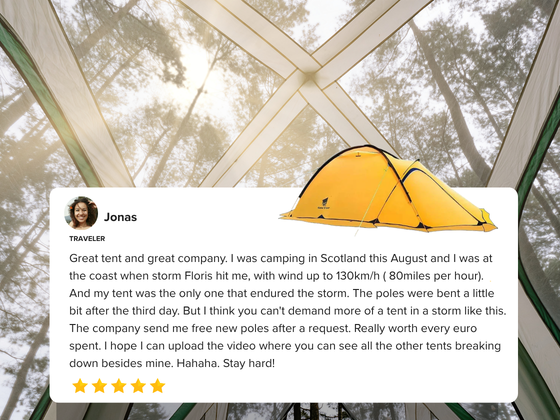
Also worth considering is the GeerTop Talung 4-Season Tent, a factory-direct option built for real conditions. Every GeerTop tent passes 60+ quality assessments before it ships, and our gear has been tested at 6,840m on Chongra Peak in the Himalayas. Factory-direct manufacturing means you pay for quality-controlled construction, not middlemen markups.
Single-Wall vs. Double-Wall: The Ultralight Option
The single-wall vs. double-wall debate is resurging among experienced winter campers, and it is worth understanding when evaluating Remote 2 alternatives.
The Samaya 2.0 represents the cutting edge of this category. Built with Dyneema and Nanovent materials, it offers extreme breathability and remarkably low weight, directly addressing one of the Remote 2's biggest weaknesses: limited ventilation.
The trade-offs are real. Single-wall tents offer less livable interior space, carry a higher learning curve, and are less forgiving in condensation-heavy conditions. This is a tent for ultralight-focused mountaineers who have the experience to manage moisture and prioritize weight savings over comfort. It is also worth watching the growing trend toward PFAS-free and sustainable tent materials reshaping the 4-season category, with single-wall options like the Samaya leading that shift.
How to Choose: Matching the Alternative to Your Adventure
Rather than declaring one tent best overall, here is a decision matrix matched to specific scenarios:
- Glacier basecamp or summit push: Hilleberg Jannu or Mountain Hardwear Trango 2
- Expedition on a budget: The North Face Mountain 25 (especially with its included footprint)
- Ski touring or below-treeline winter camping: NEMO Kunai 2P or MSR Access 2
- Occasional winter camper on a budget: Alps Mountaineering Tasmanian
- Ultralight or breathability-focused mountaineer: Samaya 2.0
One factor that rarely shows up on spec sheets but matters enormously is setup ease in cold with gloved hands. This is a real safety consideration. If you cannot pitch your tent quickly when conditions deteriorate, the lightest, strongest tent in the world will not help you. Factor this in alongside weight and floor area.
The right tent is the one that matches your objectives, your experience level, and your budget, not the most expensive one on the shelf.
Stay Wild This Winter — Gear Up and Go
The MSR Remote 2 is an excellent tent. But the best tent is the one that gets you out the door and keeps you safe in the conditions you actually face. Before spending $860 or more, take an honest look at where you camp, how often, and what conditions you realistically encounter.
GeerTop ships to 70+ countries with tracking, and new customers get 15% off their first order. Our gear is built in our own factory, tested in the Himalayas, and designed to make quality accessible to every adventurer.
Share your winter camping setup with us, tag GeerTop, and join the community. Stay Wild. Have Fun!